
Entrepreneurship
The Horror Marketing Masterpiece: How a $50K Film Became a $250M Blockbuster with Minimal Resources
A low-budget horror film, “The Blair Witch Project,” made on just $50,000, shocked the world by raking in nearly a quarter of a billion dollars through ingenious marketing techniques.


The 90s were a golden era for horror films, with the genre flourishing globally. Big-budget movies featuring gruesome creatures, bloodthirsty monsters, and cutting-edge visual effects ruled the box office. Naturally, the more money spent on a horror film, the higher its chances of box office success—or so it was thought.
Enter Artisan Entertainment, a relatively unknown production company that dared to break this rule with a small-budget film. Their mission? Produce a horror movie for a mere $50,000—a laughably small sum for Hollywood, barely enough to cover the salary of a mid-tier actor. But what happened next would go down in history.
The Making of “The Blair Witch Project”
The film, titled The Blair Witch Project, was a “found footage” horror film, shot to resemble a documentary. It followed the terrifying journey of three young filmmakers who ventured into the woods to uncover the legend of the Blair Witch—never to return.
Once the film was made, Artisan faced the daunting task of marketing it. How could they attract attention with such a meager budget, especially in a year crowded with high-profile horror releases in 1999? This is where their creative genius took center stage.
The Genius Marketing Campaign
Instead of relying on costly TV ads or billboards, Artisan crafted a unique grassroots marketing campaign aimed directly at young audiences. They plastered cryptic posters around college campuses and youth hangouts, telling the story of three students who disappeared in the woods while investigating the Blair Witch. The posters urged people to visit a mysterious website—Blairwitch.com—for more details and to help “search” for the missing students.
The site told a chilling tale: the missing trio had captured footage during their exploration, and what they filmed was the last thing ever found of them. The production company had received permission from the families to release this haunting footage in theaters.
Adding to the suspense, the site featured eerie, low-budget clips of the students running through the woods, terrified by something unseen. The simple footage, along with police reports and photos of the missing students, created a powerful sense of realism.
The Brilliant Disappearance of the Cast
Artisan took things further by having the film’s cast completely vanish from the public eye. The three actors were instructed to stay out of sight—no media appearances, no interviews, no public sightings. They even went so far as to seclude the actors in a hidden location to maintain the illusion that they were truly missing.
This secrecy sparked massive speculation. Were these kids really lost? Was the Blair Witch story actually real? The buzz spread like wildfire across online forums, coffee shops, and college campuses, drawing massive attention to the upcoming release.
From Small Screens to Blockbuster Status
When The Blair Witch Project finally hit theaters, it was released in just 20 cinemas nationwide. This strategy ensured packed showings, creating a ripple effect that encouraged more theaters to pick it up. Soon, the film expanded to nearly 1,000 theaters across the U.S., with audiences flocking to see what everyone was talking about.
The result? A box office explosion. The Blair Witch Project went on to gross a staggering $250 million worldwide on its shoestring budget. It became one of the most profitable independent films of all time and earned a place in the Guinness World Records as the first documentary-style film to achieve such astronomical earnings.
A Marketing Legend is Born
Without a single TV commercial, without any traditional marketing spend, The Blair Witch Project became a cultural phenomenon. The entire campaign, built around a low-cost poster distribution and a simple website, proved that smart, creative marketing could achieve the impossible—even with minimal resources.
Today, The Blair Witch Project is studied as a case study in marketing innovation, showing that a lack of funds is never an excuse to give up. If anything, it’s a reason to get creative and turn limited resources into massive success.













Entrepreneurship
New Study Highlights Top 10 In-Demand Skills in Bahrain’s Labour Market
Employers prioritize bilingual communication, digital literacy, and leadership as Bahrain advances toward a diversified, knowledge-based economy
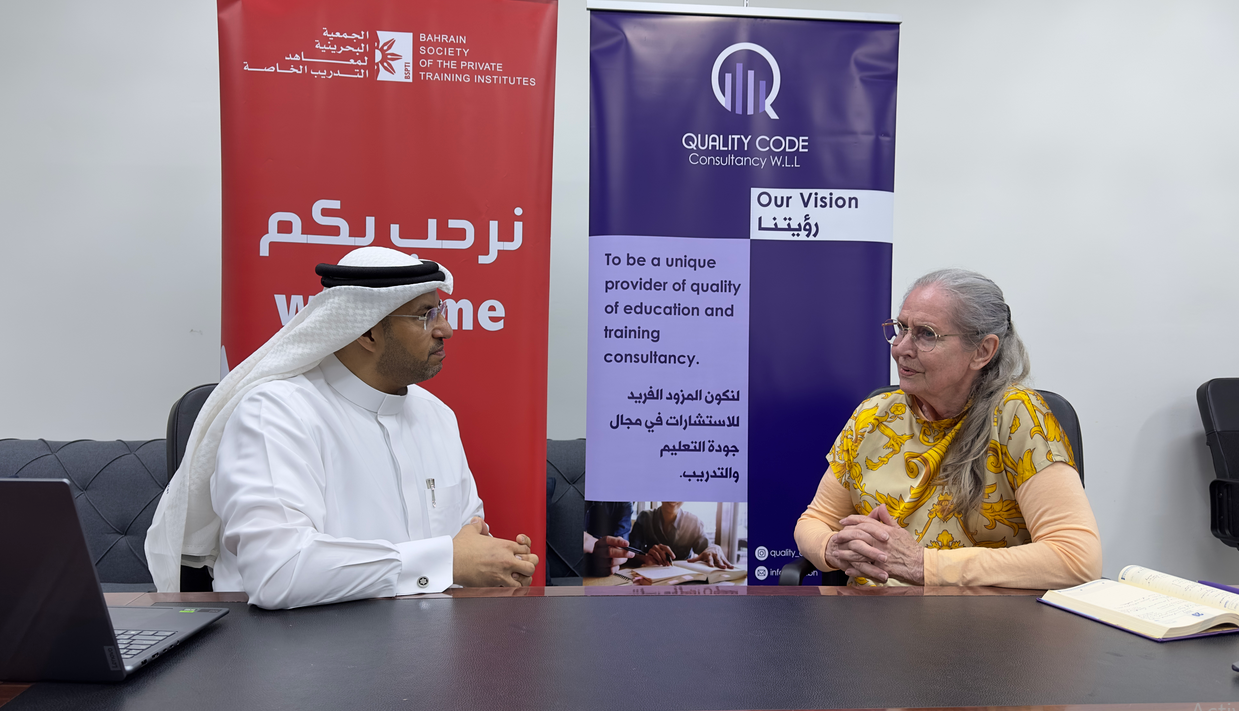
A new study conducted by Quality Code Consulting in collaboration with the Bahrain Society of the Private Training Institutes (BSPTI) has identified the top 10 skills most in demand across the Kingdom’s job market, providing fresh insight into what employers are looking for as the country pushes toward a knowledge-driven economy.
The research—based on input from 309 stakeholders, including employers, job seekers, educators, and recent graduates—reveals a strong emphasis on bilingual communication, teamwork, and digital adaptability.
Communication and Collaboration Take the Lead
At the top of the list is proficiency in communication, particularly fluency in both Arabic and English. These skills are seen as essential across nearly every sector in Bahrain’s economy, including services, banking, technology, and tourism.
Closely following are teamwork and collaboration abilities, which are increasingly essential in a landscape where cross-functional and multidisciplinary teams are becoming the norm. These skills are seen not just as functional but critical to boosting problem-solving, execution, and innovation.
Digital Fluency, Critical Thinking, and Customer-Centricity
The study also underscores the growing need for digital literacy—defined as the ability to efficiently use digital platforms and IT tools—as well as the importance of adaptability and flexibility in a fast-evolving, tech-driven marketplace.
Also ranking high were:
- Problem solving and critical thinking
- Customer relationship management
Both are viewed as foundational in service-oriented industries, which remain a key part of Bahrain’s economic makeup.
Innovation, Leadership, and the Entrepreneurial Mindset
Employers across sectors also placed a premium on leadership and initiative, especially in roles focused on transformation, change management, and innovation. Creativity and emotional intelligence were cited as equally important, particularly in high-pressure, customer-facing roles where interpersonal awareness is vital.
Rounding out the list is the entrepreneurial mindset—the ability to identify, pursue, and implement new opportunities. This skill is increasingly seen as critical for driving economic diversification, a cornerstone of Bahrain’s Vision 2030 goals.
Empowering Bahrain’s Workforce for the Future
“This study represents a critical milestone in understanding the real-world needs of Bahrain’s employers,” said Nawaf Al-Jishi, Chairman of BSPTI. “By aligning training programs with these core skills, we can enhance the employability of Bahraini talent and contribute meaningfully to the Kingdom’s economic transformation.”
Dr. Chris Coates, Senior Researcher at Quality Code Consulting, added that the study tracked recovery trends across 17 key sectors, including trade, finance, tourism, and logistics. Participating organisations ranged from industry leaders to high-growth ventures.
“There is a clear synergy between these skills,” said Dr. Coates. “For example, effective communication enhances collaboration and reinforces leadership capabilities. Bahrain’s future workforce will be built on professionals who master both technical and human-centric competencies.”
Entrepreneurship
The ‘Fatal Mistake’ That Kills Startups Before They Start, According to Stanford Professor and Serial Founder
Steve Blank, who co-founded four tech startups and teaches entrepreneurship at Stanford, reveals the critical error founders keep making — and how to avoid it.
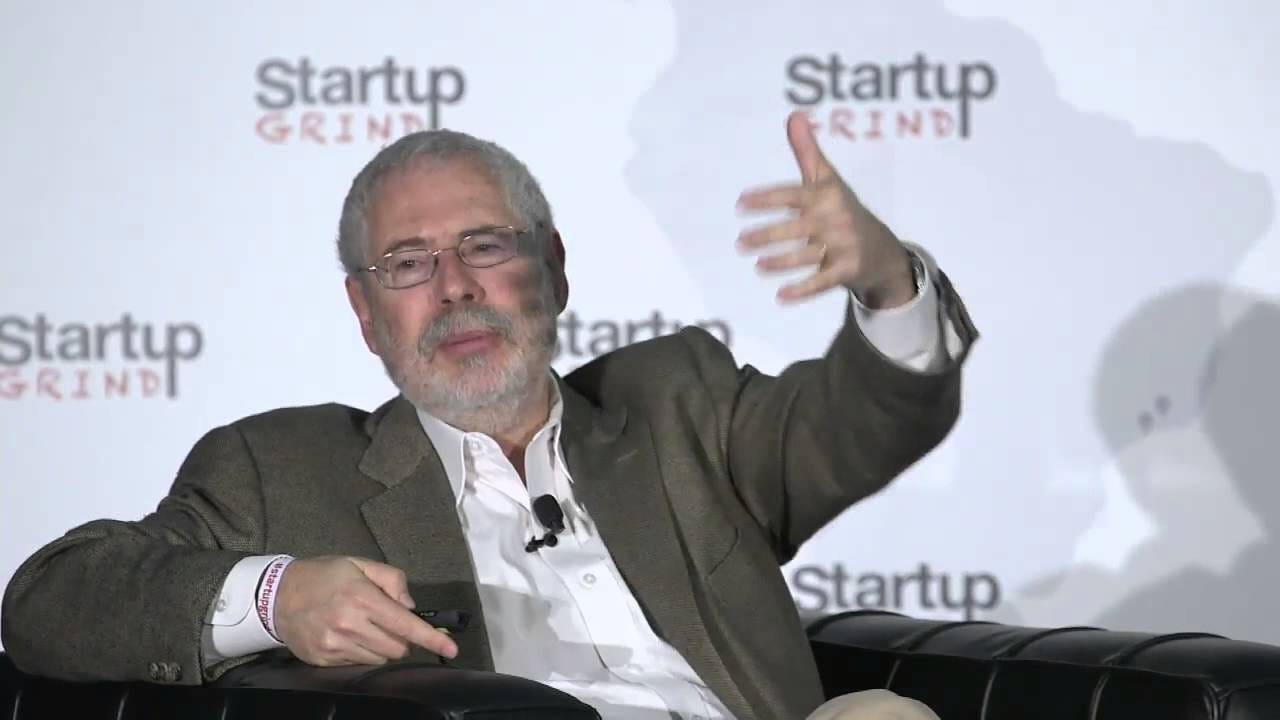
When it comes to launching a startup, Steve Blank has seen it all. As a seasoned entrepreneur, having co-founded four tech companies and written multiple books on entrepreneurship, Blank’s insights carry the weight of hard-earned experience. Today, as an adjunct professor at Stanford University, he shares a warning for every aspiring founder: most startups are doomed before they even begin, thanks to a simple but devastating mistake.
That mistake? Building a product before understanding the customer.
“I’ve seen this a million times,” Blank says, reflecting on his decades in Silicon Valley. Founders get captivated by their own ideas, pouring time and resources into building solutions that no one has asked for. They become so enamored with their vision that they forget the most fundamental question: Who is my customer, and what do they actually want?
The Dangerous Trap of ‘Build First, Sell Later’
Too often, Steve Blank explains, entrepreneurs come up with a business idea, race to develop a product, and only then start thinking about how to sell it. This backward approach is what Blank calls the “fatal mistake.”
“It’s not: ‘Here’s what I’m building. Can I sell it to someone?’” he emphasizes. Instead, successful founders start by deeply understanding their target customers. “The most important [question] is: ‘Who are my customers?’ And the second is: ‘What do they want?’”
Blank’s philosophy is backed by other successful entrepreneurs. Alberto Perlman, co-founder and CEO of Zumba Fitness, echoes this sentiment: “You have to always be listening, and listening between the lines, to your customer.”
Investor and Shark Tank star Robert Herjavec agrees, noting that failure to understand customer needs can spell disaster: “It’s natural to get attached to your product or service, but success hinges on seeing its value through the customer’s eyes.”
Lessons From Personal Failure
Steve Blank speaks from personal experience. In the early 1990s, he co-founded Rocket Science Games, raising an impressive $35 million and earning a feature in Wired magazine. On paper, the company looked like the next big thing. Talented engineers? Check. Polished game trailers? Check. Buzzworthy marketing? Check.
But there was a problem: the customers didn’t care.
“The games sucked,” Blank admits. They failed to resonate with gamers, and sales never took off. The company folded in 1997 in one of Silicon Valley’s most high-profile startup failures.
“The biggest killer for me, and the biggest failure, was hubris,” he reflects. “Don’t believe your own bulls—. It’s really easy to get convinced about your passion and your vision.”
Had he sought early customer feedback, Blank believes Rocket Science Games could have either pivoted or avoided the failure altogether. It’s a lesson that has shaped his teaching ever since.
Get Out of the Building
Blank champions a practice he calls “getting out of the building.”
This means stepping away from your desk, abandoning spreadsheets, and having real conversations with potential customers. Listen not only to what they say, but also to what they don’t say. Explore their frustrations, needs, and desires. Observe how they currently solve the problem you’re trying to address.
“The best insights come from direct, unfiltered customer feedback,” Blank insists. He teaches students and startup founders alike to embrace this proactive approach, using it to validate their assumptions long before they invest heavily in building a product.
Avoiding the Hubris Trap
Perhaps the most dangerous pitfall for founders is falling in love with their idea at the expense of reality. Blank calls this the “hubris trap.” Passion is important, but unchecked enthusiasm can blind even the smartest entrepreneurs to warning signs.
“Success comes from humility and curiosity,” Blank explains. “Assume you know nothing, and let your customers teach you.”
He points to the lean startup methodology as a way to mitigate this risk: start small, test assumptions, iterate based on feedback, and only scale once product-market fit is clearly established.
Building With Customers, Not For Them
Ultimately, Blank’s advice is simple but profound: don’t build in isolation. Involve your customers in the process from day one. Let them help shape your product, and your chances of success will skyrocket.
“It’s not about building the perfect product in a vacuum,” he says. “It’s about building the right product with your customers.”
For aspiring founders, this mindset shift could make the difference between startup success and failure. Take it from someone who has seen both sides of the journey—and who now dedicates his career to helping others avoid the same pitfalls.
Entrepreneurship
GoDaddy Study: 63% of Egyptian Women Entrepreneurs Are the Primary Breadwinners for Their Families
GoDaddy’s 2025 Global Entrepreneurship Survey highlights the growing role of Egyptian women in business and their adoption of AI to streamline operations.

A recent study by GoDaddy, the 2025 Global Entrepreneurship Survey, has revealed that 63% of Egyptian women entrepreneurs serve as the primary financial providers for their families. The report underscores how these women are embracing technology and artificial intelligence (AI) to enhance business efficiency and unlock new opportunities in the post-pandemic economic landscape.
Women’s Growing Role in Egypt’s Entrepreneurship Scene
The study found that 53% of small businesses surveyed in Egypt are owned by women, with 27% of them launched in the past five years. This reflects the resilience and adaptability of female entrepreneurs, particularly in navigating the economic challenges that followed the COVID-19 pandemic.
AI Adoption Driving Business Growth
Egyptian women entrepreneurs are not only managing businesses but are also leading in AI adoption to scale operations. The survey found that:
- 93% of respondents expressed confidence in their business skills.
- 96% believe AI will enable their small businesses to compete with larger firms in the coming year.
- AI tools save them an average of 19 hours per week, equivalent to two full workdays.
Entrepreneurs are leveraging this saved time for:
- Learning new skills (51%)
- Analyzing business performance (50%)
- Managing day-to-day operations (48%)
Financial Independence and Business Confidence
The study highlights that women-led businesses are contributing significantly to the local economy, not just by generating income but also by creating jobs. 62% of female entrepreneurs in Egypt feel optimistic about their business prospects, while 74% believe their ventures will expand within the next three to five years.
Women entrepreneurs also reported high satisfaction levels with their ventures, particularly in:
- Introducing new products or filling market gaps (48%)
- Developing management skills (40%)
- Creating job opportunities for others (40%)
The Role of AI in Women-Led Businesses
AI-powered solutions such as GoDaddy Airo® have played a key role in helping entrepreneurs simplify complex business tasks. This tool enables small business owners to:
- Build websites and logos effortlessly
- Develop digital marketing strategies
- Enhance online visibility through AI-driven SEO optimization
Selina Bieber, Vice President of International Markets at GoDaddy, commented:
“AI-driven tools like GoDaddy Airo® empower women entrepreneurs by saving them time, allowing them to focus on business growth, personal development, or family responsibilities. The success of Egyptian women in business is inspiring a new generation of female entrepreneurs.”
The survey also revealed that 93% of women entrepreneurs believe their businesses have improved their quality of life, providing a sense of fulfillment and empowerment.
GoDaddy’s Commitment to Women Entrepreneurs
GoDaddy continues to support millions of entrepreneurs globally by offering business-building tools, including AI-powered solutions for digital branding, e-commerce, and customer engagement. The company’s 24/7 expert support ensures small business owners have the guidance they need to succeed.
About the 2025 GoDaddy Global Entrepreneurship Survey
Conducted by Advantis Research in January 2025, the GoDaddy Global Entrepreneurship Survey examined small business owners across 12 countries, including Egypt, Saudi Arabia, the UAE, India, Germany, and Brazil. The study surveyed 3,504 business owners, with 500 respondents from the MENA region, all operating businesses with 1-49 employees.
-

 MENA Startups7 days ago
Egypt-Based Exits MENA and ACE Acquire Avanz Capital Egypt in Seven-Figure Deal to Expand Private Equity and Asset Management
-

 MENA Startups6 days ago
MENA-Born Enterprise Voice AI Startup HeyBreez Raises $2.5M Seed to Accelerate Global Expansion
-
 News4 days ago
Dubai Entrepreneurs Who Raised $400K on Kickstarter Launch 12-Week Accelerator Teaching Teens to Build and Crowdfund Real Startups
-

 Asia Startups1 week ago
Singapore-Based RetailTech Startup Graas Raises $17M Series B, Acquires Trustana to Expand AI-Powered Commerce Platform
-

 MENA Startups6 days ago
Saudi EdTech AILA Raises $3M Pre-Series A to Scale AI-Powered Personalized Learning Across Regional and Global Markets
-

 MENA Startups7 days ago
Iraq-Based E-Commerce Startup Rozenama Raises $150K Pre-Seed to Expand Platform Nationwide
-

 MENA Startups7 days ago
UAE-Based Startup Tax Star Raises $1.75M to Expand AI-Powered Tax Compliance Platform Across GCC
-

 Asia Startups7 days ago
Indian FinTech Startup Rezolv Raises $12.5M to Expand AI-Powered Lending Platform
You must be logged in to post a comment Login