
North America
US-Based Meta Acquires Singapore-Based AI Startup Manus to Strengthen Advanced AI Capabilities Across Platforms
The acquisition targets general-purpose AI agents as Meta accelerates its push to embed autonomous systems across consumer and enterprise products.




North America
New York-Based AI Sales Startup Clay, Founded by Egyptian Entrepreneur, Raises $115M Series D at $7.1B Valuation, Serving 17,000 Companies
AI go-to-market platform Clay, co-founded and led by Egyptian-born entrepreneur Kareem Amin, has raised $115 million in Series D funding at a $7.1 billion valuation, more than doubling its valuation in just over a year.

New York-based AI startup Clay has raised $115 million in Series D funding at a $7.1 billion valuation, marking another major milestone for the company led by Egyptian-born co-founder and CEO Kareem Amin.
The round was led by Wellington, with participation from Sequoia, StepStone, Andreessen Horowitz (a16z), Perennial, Meritech, DST, CapitalG, BoxGroup, Boldstart, Bloomberg Beta and Evolution.
The new valuation represents a sharp increase from the $3.1 billion valuation Clay reached following its $100 million Series C in August 2025.
Clay has also expanded its customer base to more than 17,000 companies, including Anthropic, Google, OpenAI, Stripe, ElevenLabs, Workday and Siemens. The company says its customers now include 80% of the Forbes AI 50.
Building an AI Engine for Company Growth
Founded in 2017, Clay develops an AI-powered go-to-market platform designed to help companies identify potential customers, understand buying signals and automate sales and marketing workflows.
The company is increasingly positioning itself beyond traditional sales software by developing what it describes as a “self-learning revenue engine.”
Clay combines internal company information—including CRM data, product usage, campaign engagement, calls and emails—with external signals such as funding rounds, hiring activity and job changes. The platform uses this information to build a continuously evolving picture of a company’s market and potential customers.
Teams can then use AI agents to perform tasks ranging from identifying prospective customers and researching their businesses to preparing personalized outreach and monitoring buying intent.
“AI is unleashing the biggest wave of company creation in history, and Clay’s goal is to be the engine those companies use to grow to their full potential,” Amin said.
“We started by aggregating the best data for B2B companies. Then, we built the infrastructure to run any personalized campaign on top of it. Now, we’re building agents that can help grow your company for you.”
From Egypt to a $7.1 Billion AI Company
Amin, who is originally from Egypt, studied at McGill University in Canada before moving to the United States.
Before Clay, Amin and fellow entrepreneur Nicolae Rusan built New York-based e-commerce technology startup Frame, which they sold to Sailthru in 2012.
The pair later launched Clay in 2017. Varun Anand, who joined the company in 2021, is also a co-founder. Clay is now headquartered in New York.
The latest financing places Clay among a growing group of multibillion-dollar AI companies emerging around the rapid adoption of generative and agentic AI.
Its growth has been particularly notable over the past year, with its customer base increasing from around 10,000 companies to more than 17,000 while its valuation more than doubled.
AI Agents for Sales and Growth
Clay calls the professionals building automated revenue systems on its platform “GTM Engineers.”
Its growth agents are designed to identify ideal customers, track intent signals, launch targeted campaigns and execute workflows across different stages of the go-to-market process.
Unlike a static automation system, Clay says its platform learns from the results of previous campaigns and interactions, allowing it to improve future recommendations and actions.
“We’re building a self-learning revenue engine,” Amin said. “The better a company gets at learning, the faster it grows.”
Clay ultimately wants its platform to predict the next best action a company should take to grow and then help execute that action.
Clay Launches $1M Scholarship Fund
Alongside the Series D announcement, Clay unveiled a $1 million scholarship fund aimed at training a new generation of GTM engineers.
The initiative targets professionals coming from fields including revenue operations, growth marketing, software engineering and design, as Clay seeks to establish GTM engineering as a broader professional discipline.
The company is also preparing to unveil new products at Sculpt, its second annual user conference, scheduled for October 8 in San Francisco.
With $115 million in fresh capital, a $7.1 billion valuation and a rapidly growing enterprise customer base, Clay is betting that AI agents will increasingly move beyond assisting sales teams to autonomously operating significant parts of how companies find and convert customers.
North America
US-Based AI Equity Research Startup Pinegap Raises $8M to Expand Platform for Investment Teams
The funding will support Pinegap’s engineering and go-to-market expansion while strengthening its AI-powered research platform for hedge funds and mutual funds.

AI-powered equity research startup Pinegap has raised US$8 million (over ₹76 crore) in a Series A funding round led by Stellaris Venture Partners, with participation from existing investors Silicon Valley Quad and DeVC.
The New York-based company, which also operates an office in Bengaluru, will use the fresh capital to expand its sales and go-to-market teams, hire additional engineers, and establish an in-house team of experienced equity research analysts.
AI Agents for Equity Research
Founded in 2024 by Ankit Varmani and Deepak Sharma, Pinegap develops an AI-powered research platform for equity analysts and portfolio managers at hedge funds and mutual funds.
The platform uses AI agents to automate repetitive and time-consuming research workflows, including analyzing company reports, monitoring earnings calls, preparing earnings previews, creating company primers, and tracking investment theses.
By automating these processes, Pinegap aims to give investment professionals more time to focus on higher-value activities such as evaluating companies, developing investment convictions, and making portfolio decisions.
Customized for Investment Teams
Rather than operating as a general-purpose chatbot or search tool, Pinegap works with investment teams to understand their individual research processes and requirements.
The company then develops customized AI agents aligned with each fund’s data, research formats, workflows, and investment style, allowing the technology to integrate more closely with existing equity research operations.
Deepak Sharma, CEO and Co-Founder of Pinegap, said buy-side analysts typically cover dozens of companies directly while monitoring hundreds of additional potential investments, creating a significant volume of recurring manual research work.
He said Pinegap aims to automate these workflows so analysts can spend more time on judgment, conviction, and investment decisions.
Funding to Scale Product and Operations
Pinegap will use its Series A funding to strengthen its engineering capabilities and accelerate commercial expansion as it targets more institutional investment firms.
The startup also plans to build an internal team of experienced equity research analysts, combining financial market expertise with its technology capabilities to further improve the platform.
Alok Goyal, Partner at Stellaris Venture Partners, said equity analysts and portfolio managers face growing volumes of complex information while many of their existing research tools have failed to keep pace.
He highlighted Pinegap’s combination of financial domain expertise and technology development capabilities, alongside its early adoption among investment funds, as key factors behind the investment.
With the fresh funding, Pinegap plans to deepen its AI-powered research capabilities and expand adoption among hedge funds, mutual funds, and other institutional investment teams.
North America
US-Based AI Insurance Startup Klaimee Raises $5.5 Million to Protect Businesses from Autonomous AI Agent Failures
Y Combinator-backed insurtech startup Klaimee has raised $5.5 million in seed funding to build insurance-backed warranties and liability coverage for autonomous AI agents, addressing one of the biggest unanswered questions in enterprise AI: who pays when AI makes a costly mistake?
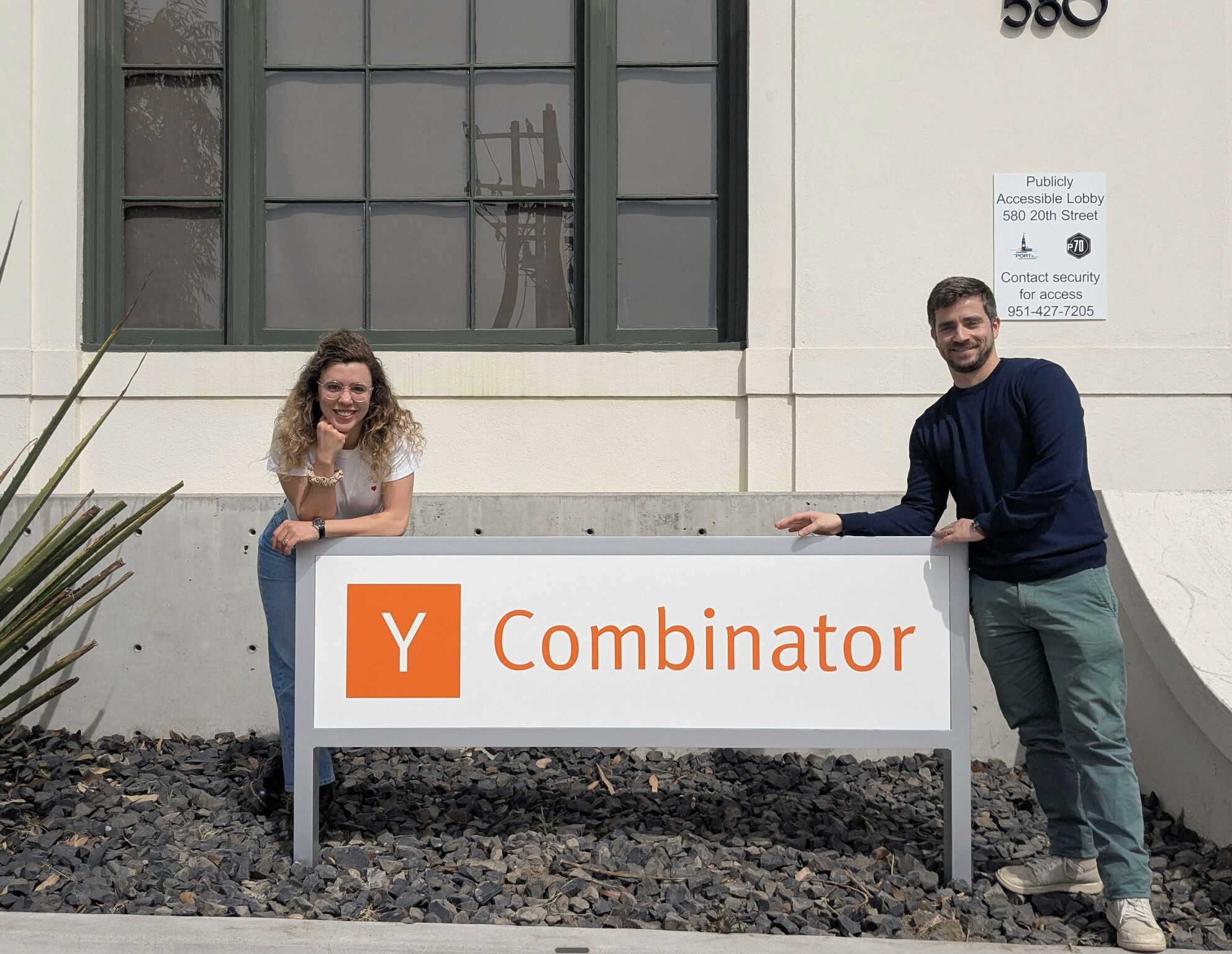
US-based insurtech Klaimee has raised $5.5 million in seed funding to develop insurance products specifically designed for autonomous AI systems, offering businesses protection when AI agents make mistakes that result in financial losses or operational failures.
The round was led by FundersClub’s Alexander Mittal, with participation from ex/ante, Pioneer Fund, Multimodal Ventures, Kima Ventures, Rebel Fund, Robinhood Ventures, Y Combinator, and several angel investors.
Building Insurance for the AI Agent Era
Unlike traditional software, autonomous AI agents can independently execute financial transactions, send emails, modify sensitive data, make business decisions, and interact directly with customers.
According to Klaimee, these new capabilities expose enterprises to risks that conventional Technology Errors & Omissions (E&O) and Cyber Insurance policies were never designed to cover.
Rather than treating AI failures as standard software bugs or cybersecurity incidents, Klaimee has built a platform that evaluates, certifies, and insures AI agents based on the unique risks associated with autonomous decision-making.
Its offering combines technical audits, operational risk assessments, AI-specific liability insurance, and certification into a single framework that enterprises can use during procurement and vendor approval processes.
Solving a Growing Enterprise Problem
The startup argues that one question is increasingly slowing enterprise AI adoption:
Who pays if an autonomous AI agent causes damage?
As AI systems gain greater autonomy, procurement, legal, and risk management teams are beginning to require software vendors to demonstrate that their AI products are backed by dedicated liability coverage before contracts are signed.
Klaimee says several enterprise customers have already encountered procurement requests asking for proof of AI liability insurance worth at least $5 million per occurrence before large commercial agreements could proceed.
The issue is becoming more pressing as regulations evolve. The company points to legislation such as California’s AB 316 and the EU AI Act, alongside insurers increasingly excluding AI-related claims from traditional liability policies.
Backing AI with Financial Guarantees
Founded by Ines Boutemadja and Julien Catonnet, Klaimee aims to bridge the gap between AI deployment and enterprise risk management.
The company’s platform audits AI agents, evaluates their operational reliability, certifies approved systems, and backs them with insurance specifically designed for autonomous AI failures.
According to CEO Ines Boutemadja, enterprises increasingly need more than technical assurances—they also require financial guarantees that AI-related failures will be covered.
The founders compare today’s AI insurance market to the early days of cyber insurance two decades ago, arguing that AI liability is becoming a new category of enterprise risk that will require dedicated insurance products rather than extensions of existing policies.
Riding the Next Wave of AI Infrastructure
The funding will be used to expand Klaimee’s operations and further develop its certification and insurance platform as demand for enterprise AI governance continues to grow.
As organizations move beyond AI copilots toward fully autonomous systems capable of making decisions and executing actions independently, startups like Klaimee are emerging as part of a broader ecosystem building the infrastructure needed for widespread AI adoption.
Instead of focusing solely on improving AI capabilities, the company is addressing the trust, accountability, and financial safeguards enterprises increasingly require before allowing autonomous AI agents to operate inside mission-critical business workflows.
-

 MENA Startups6 days ago
Saudi-based AutoTech Startup Autobia Raises $12M Series A to Expand B2B Auto Parts Platform and Logistics Infrastructure
-

 News5 days ago
Dubai Doubles Oraseya Capital’s VC Fund to $272M, Raises Startup Investment Limit to $6M to Back Global Tech Companies
-

 Euro Startups5 days ago
Denmark-based TravelTech Startup Tryp.com Raises €1.9M to Expand AI-Powered Travel Booking Platform Globally
-

 MENA Startups4 days ago
UAE-Based VC Firm Phoenix Venture Partners Closes $23M Debut Fund to Back Technology Startups Across MENA
-

 Africa Startups5 days ago
Tanzania-Based AgriTech Startup East Africa Foods Secures $40M to Expand Food Supply Chain Infrastructure and Reduce Waste Across East Africa
-

 Asia Startups5 days ago
Indian Pet Nutrition Startup TailBlaze Longevity Raises $300K Pre-Seed to Launch HeartPour Dog Food Nationwide
-

 MENA Startups4 days ago
UAE-Based Ice Cream Brand Mama Booza Launches Mama Pops Fruit Pop Range, Attracting Interest From Over 30 Countries
-

 Australia Startups5 days ago
Airwallex Awards $1M in Equity-Free Funding to 10 Australian AI Startups Through Latitude 37 Programme to Support Global Expansion
You must be logged in to post a comment Login