
News
From Natural Gas to Global Capital: How Sheikh Hamad bin Khalifa Built Qatar’s Economic Miracle
When Sheikh Hamad bin Khalifa assumed power in 1995, Qatar possessed enormous natural gas reserves but limited global economic influence. Less than two decades later, the country had become the world’s largest LNG exporter, one of the wealthiest nations per capita, and home to one of the planet’s most powerful sovereign wealth funds. His greatest legacy was not producing more gas—it was transforming finite natural resources into permanent global wealth.

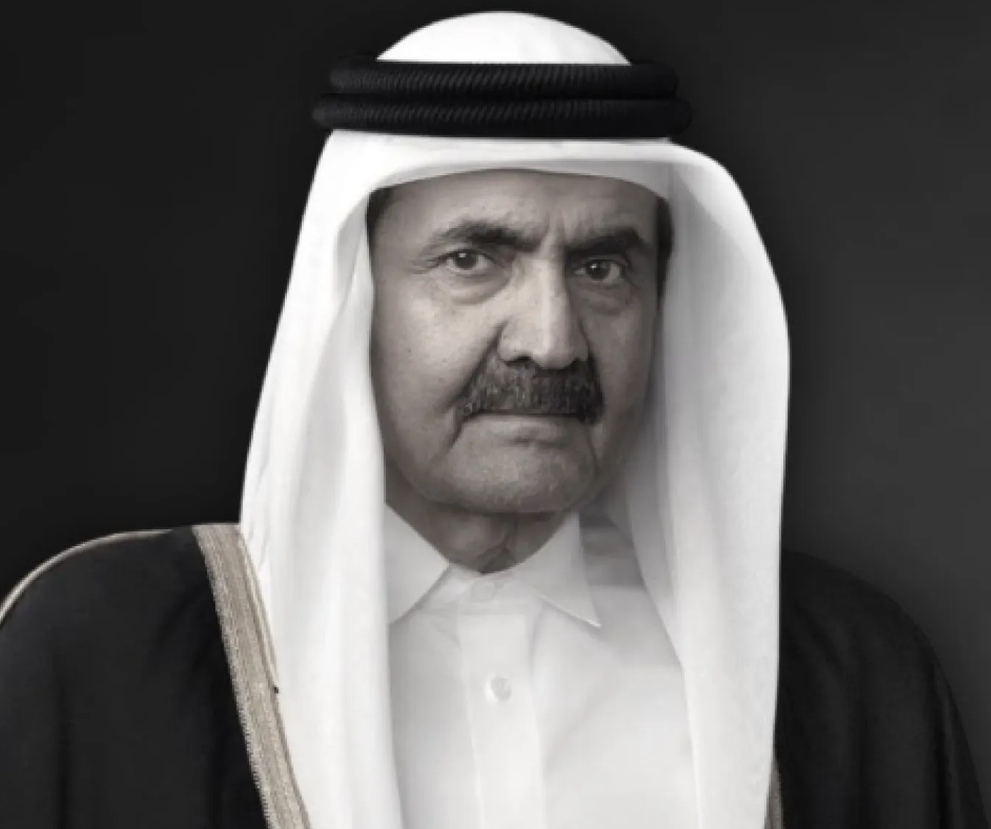
When Sheikh Hamad bin Khalifa Al Thani assumed leadership in 1995, Qatar already possessed one of the world’s largest natural gas reserves beneath the North Field.
Yet natural resources alone do not create prosperous nations.
At the time, Qatar remained a relatively small economy whose international profile was modest compared to its enormous geological potential.
Rather than viewing hydrocarbons as the country’s final destination, Sheikh Hamad treated them as the starting point of a much larger economic transformation.
His ambition extended far beyond exporting energy.
He wanted Qatar to become one of the world’s most financially resilient economies—one capable of generating wealth long after oil and gas production eventually slowed.
That philosophy would shape almost every major economic decision made during his reign.
Turning LNG Into an Economic Engine
One of the earliest priorities was accelerating Qatar’s liquefied natural gas industry.
After Qatar shipped its first LNG cargo in 1996, investment accelerated rapidly across production facilities, export terminals and supporting infrastructure.
Within a decade, Qatar had become the world’s largest exporter of liquefied natural gas, fundamentally reshaping both its economy and its fiscal capacity.
The numbers were extraordinary.
During Sheikh Hamad’s years in office, Qatar’s GDP expanded more than twenty-fold, while GDP per capita increased nearly six times, placing the country among the wealthiest nations in the world.
But unlike many resource-rich economies, Qatar chose not to consume all of this new wealth.
Instead, it began converting today’s energy revenues into tomorrow’s investment income.
The Decision That Changed Qatar Forever
Perhaps Sheikh Hamad’s single most consequential economic decision came in 2005.
Rather than allowing surplus gas revenues to remain largely within government budgets, he established the Qatar Investment Authority (QIA) through Amiri Decision No. 22 of 2005.
The idea was remarkably simple, yet transformational.
Every barrel of oil and every shipment of LNG represented finite wealth.
If those revenues could instead be invested into productive assets around the world, Qatar could generate income for generations—even after hydrocarbons ceased to dominate the economy.
The fund was created with a long-term mandate to preserve and grow the nation’s wealth, diversify away from hydrocarbons, and invest globally across industries, geographies and asset classes.
Investment operations officially began the following year.
Looking back two decades later, that decision would become one of the defining moments in Qatar’s modern economic history.
Building One of the World’s Most Powerful Sovereign Wealth Funds
The Qatar Investment Authority did not grow overnight.
Its early years focused on establishing governance, building investment teams and laying institutional foundations before gradually expanding into international markets.
By 2007, the fund shifted toward direct investments, followed by a period of rapid global expansion between 2009 and 2015. During those years, QIA built specialized investment teams, opened advisory offices abroad—including New York—and diversified across virtually every major asset class.
Today, QIA has evolved into one of the world’s largest sovereign wealth funds.
Its assets under management are now estimated at around $600 billion, placing it among the ten largest sovereign wealth funds globally.
More importantly, it fundamentally changed the structure of Qatar’s national wealth.
Instead of relying solely on natural gas exports, the country now owns income-producing assets spanning real estate, infrastructure, financial institutions, technology companies, logistics networks and private equity investments across North America, Europe and Asia.
In many ways, Qatar no longer exports only LNG.
It exports capital.
Buying the World—One Strategic Investment at a Time
As QIA expanded, so did its global footprint.
The fund became a shareholder in companies including Volkswagen, Barclays, Glencore, Shell, Sainsbury’s, and Heathrow Airport, while acquiring globally recognized assets such as Harrods, significant portions of Canary Wharf, The Shard in London, luxury hotels, Manhattan real estate, and numerous technology investments.
In recent years, the strategy has evolved again.
Beyond iconic real estate and blue-chip corporations, QIA has become increasingly active in artificial intelligence, software, healthcare and high-growth technology companies, participating in funding rounds for firms including Databricks, xAI, Builder.ai, Instabase, Cresta, and other emerging technology leaders.
The fund also helped establish global governance standards for sovereign wealth funds, becoming a founding member of the International Forum of Sovereign Wealth Funds and co-authoring the Santiago Principles, which continue to guide best practices for sovereign investment institutions worldwide.
Diversifying More Than an Economy
For Sheikh Hamad, diversification meant more than buying foreign assets.
Gas revenues financed airports, ports, roads, education, healthcare and research institutions inside Qatar while simultaneously creating investment income abroad.
The result was an economy increasingly supported by multiple engines of growth rather than a single commodity.
It also provided Qatar with a level of financial resilience that few hydrocarbon-producing countries had previously achieved.
An Economic Legacy That Continues to Grow
Today, many of Qatar’s strongest economic institutions remain direct extensions of decisions made during Sheikh Hamad’s reign.
The LNG industry continues generating substantial revenues.
The Qatar Investment Authority continues expanding one of the world’s largest sovereign portfolios.
And the country’s long-term diversification strategy remains anchored in the principle that transformed Qatar two decades ago:
Natural resources create wealth.
Institutions preserve it.
That may ultimately be Sheikh Hamad bin Khalifa’s greatest economic legacy.
He did not simply oversee an energy boom.
He built a financial architecture designed to outlive it.








News
Qatar Airways Becomes World’s First Airline to Bring Starlink to Boeing 787-9, Reaches 150 Connected Widebody Aircraft
Qatar Airways has become the first airline globally to operate Boeing 787-9 aircraft with Starlink, as its high-speed connectivity rollout reaches 150 widebody aircraft and more than 23 million passengers.
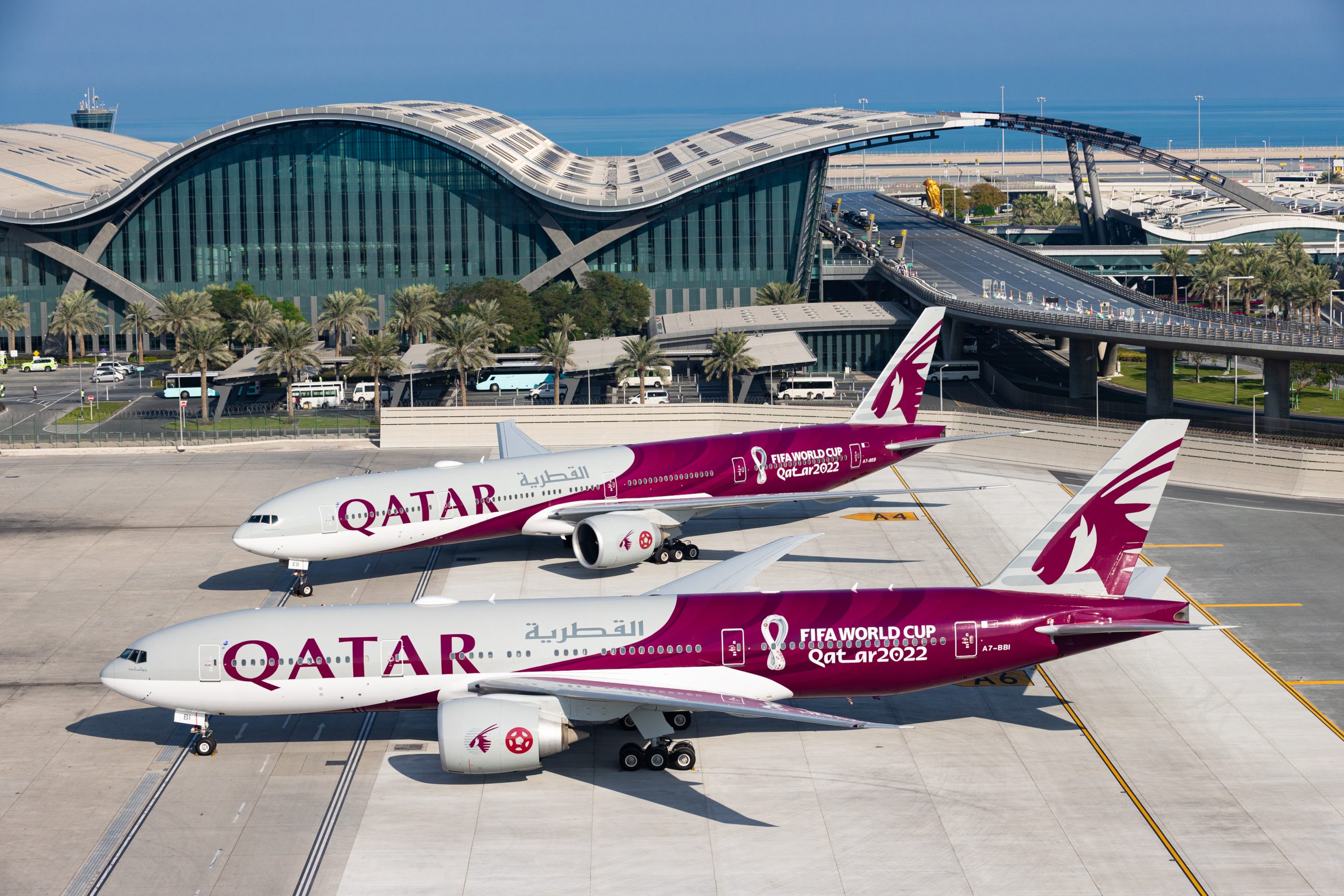
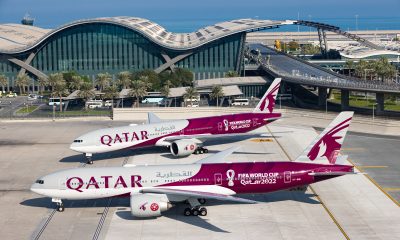
Qatar Airways has become the first airline in the world to operate Boeing 787-9 aircraft equipped with Starlink, marking another milestone in the carrier’s rollout of high-speed satellite internet across its global fleet.
The Doha-based airline has also completed Starlink installation across its entire Boeing 787-8 sub-fleet in seven months, bringing the number of Starlink-equipped Qatar Airways widebody aircraft to 150.
The airline said it remains on track to complete installation across its entire Boeing 787 fleet by the end of 2026.
The latest deployment means Qatar Airways now operates Starlink-equipped aircraft across three major widebody families: the Boeing 777, Airbus A350 and Boeing 787.
23 Million Passengers Have Used Starlink
The scale of Qatar Airways’ deployment has grown significantly since the airline introduced Starlink connectivity in October 2024.
More than 23 million passengers have since used the service across over 86,000 Qatar Airways flights, according to the airline.
Starlink internet is provided to passengers free of charge on equipped aircraft and is available from gate to gate.
Connection speeds can reach up to 500 Mbps, enabling passengers to use high-speed internet during flights for activities ranging from messaging and entertainment to working online.
The service is increasingly available across Qatar Airways’ long-haul and ultra-long-haul network, including routes connecting Doha with destinations across the Americas, Australasia, Africa, Asia, Europe and the Middle East.
Starlink Rollout Surpasses 83%
Qatar Airways said its overall Starlink installation programme has now surpassed 83% completion, with as many as 323 Starlink-equipped flights operating every day.
The Boeing 787 milestone follows similarly rapid deployment across two other major parts of the carrier’s fleet.
Qatar Airways completed Starlink installations across its Boeing 777 fleet in nine months, followed by its Airbus A350 fleet in eight months.
It has now completed the 787-8 sub-fleet in seven months while beginning operations with Starlink-equipped Boeing 787-9 aircraft.
The rollout represents one of the airline’s largest passenger-facing digital infrastructure projects, extending high-speed connectivity across an increasing share of its international network.
Bringing High-Speed Connectivity to Long-Haul Travel
Starlink uses a network of low-Earth-orbit satellites to provide broadband internet connectivity, allowing airlines to offer significantly faster onboard connections than many traditional satellite systems.
For Qatar Airways passengers, the deployment is designed to make internet access during long-haul flights closer to the connectivity experience available on the ground.
The ability to connect from gate to gate also means passengers on equipped aircraft can remain online across more of the travel journey rather than waiting until the aircraft reaches cruising altitude.
With speeds reaching 500 Mbps, passengers can use the connection for work, communications and digital entertainment during flights.
Qatar Airways Targets Full Boeing 787 Deployment by End of 2026
The next major milestone will be completing Starlink deployment across the remaining Boeing 787 aircraft.
Qatar Airways expects the process to be completed by the end of 2026, further expanding the number of routes where passengers can access free high-speed internet.
With 150 connected widebody aircraft already in operation and the overall programme more than 83% complete, the airline is moving closer to making Starlink a standard feature across a substantial portion of its long-haul fleet.
The milestone also extends a rollout that has moved rapidly since its October 2024 launch: from the Boeing 777 and Airbus A350 fleets to the Boeing 787, and from an initial onboard connectivity service to one that has already been used by more than 23 million passengers worldwide.
News
China’s AG.AL Wins 2026 Esports World Cup, Securing $7M Prize in Presence of Saudi Crown Prince and French President
AG.AL triumphs at the 2026 Esports World Cup, securing $7M and global recognition.
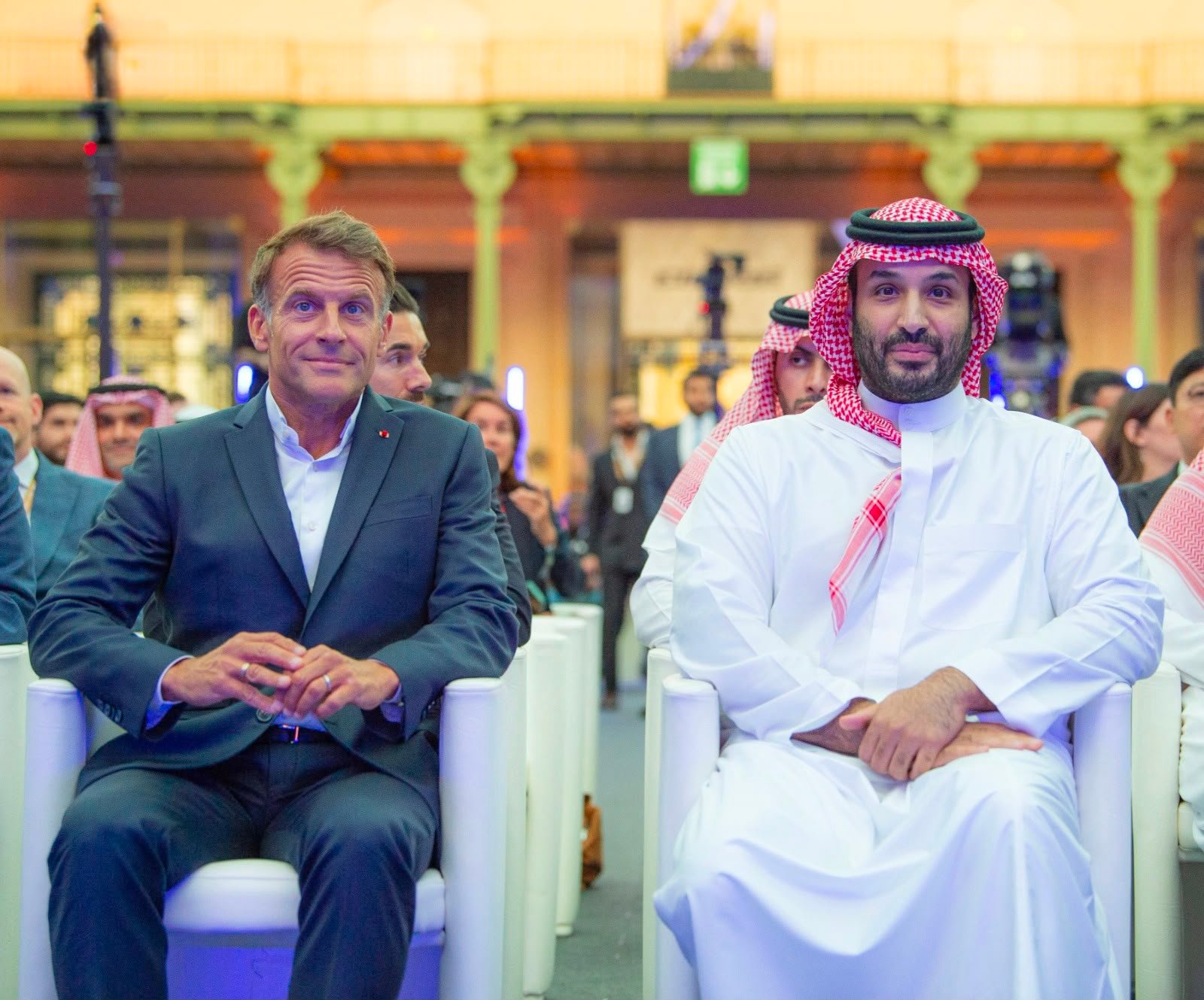
China’s premier esports team, All Gamers Global (AG.AL), has emerged victorious in the 2026 Esports World Cup club championship held in Paris.
This win not only marks a significant achievement for the team but also underscores the growing dominance of Chinese esports on the global stage.
Attended by notable figures such as Saudi Crown Prince Mohammed bin Salman and French President Emmanuel Macron, the event was a landmark as the first-ever tournament staged outside Saudi Arabia.
AG.AL clinched the championship by a comfortable margin, with a total of 5,300 points, finishing 700 points ahead of their closest rivals, Saudi Arabia’s Falcons.
This exceptional performance earned them the grand prize of $7 million from a prize pool exceeding $75 million.
The pivotal moment came during the final days of the competition when French player Gwen secured victory in the TrackMania tournament, solidifying AG.AL’s lead.
Meanwhile, the Falcons, who were the reigning champions with two previous titles, finished as runners-up. Despite not retaining the club championship, they claimed an individual victory in Rocket League, defeating Spacestation Gaming with an impressive 4-0 in the final.
The event, spanning seven weeks, highlighted the expansive reach of esports, drawing more than 2,000 players from approximately 200 clubs worldwide, and welcoming over 500,000 visitors to the tournament.
With 25 tournaments across 24 games, the Paris edition demonstrated the vast appeal and growing popularity of esports competitions.
In addition to the competitive spectacle, the event also saw strategic developments in esports diplomacy. A memorandum of understanding was signed between the sports ministries of Saudi Arabia and France, aimed at enhancing collaboration in areas like esports organization, investment, and sports tourism.
This agreement signifies a deeper investment in the esports sector, promising potential growth and increased cooperation on international events.
AG.AL’s triumph in Paris not only reinforces their status as frontrunners in esports but also positions them well for future endeavors as they look to expand their influence and engage further with the global gaming community.
News
Saudi Aramco’s Venture Arm Co-Leads $20M Round in US AI Startup Twin1 AI, Building Digital Twins That Learn From Employees’ Emails, Meetings and Workplace Systems
Twin1 AI secures funding to enhance AI-powered tools for knowledge workers, emphasizing control and privacy.
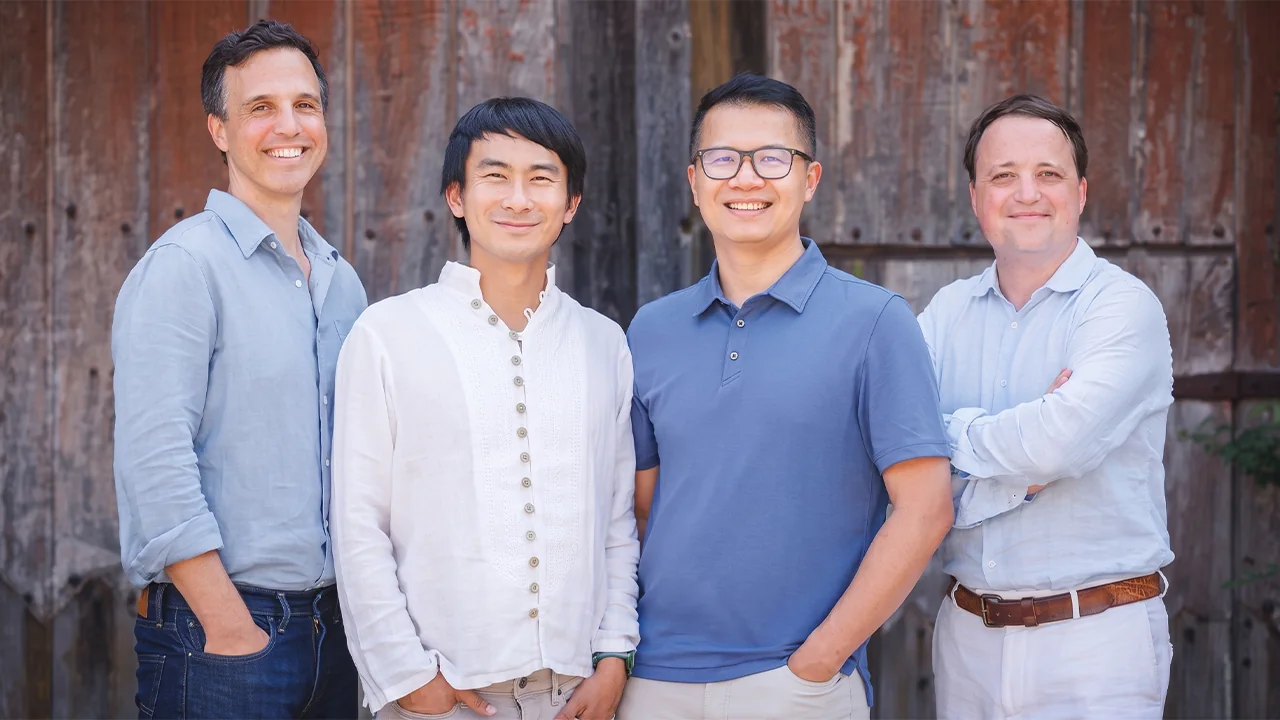
Twin1 AI, a US-based enterprise AI startup, has successfully raised $20 million in a seed funding round. The investment was co-led by Bessemer Venture Partners, Tribeca Venture Partners, and Aramco Ventures.
This funding aims to propel the development of Twin1 AI’s innovative AI-powered digital twin technology, designed for professional knowledge workers.
Founded in 2025 by Dr. Lewis Z. Liu, Tom Cahn, Huiting Liu, and Dr. Jonathan Budd, Twin1 AI is rapidly positioning itself at the forefront of the enterprise AI sector. Its groundbreaking platform creates digital twins for professionals, incorporating a wealth of contextual data from their work environments such as emails, meetings, and workplace systems.
This empowers AI agents to access and process information more effectively across various platforms like Slack, Microsoft Teams, Outlook, Gmail, Google Drive, and SharePoint.
An important differentiator for Twin1 AI is its focus on data privacy and governance. The company’s technology includes robust privacy controls to manage how information is accessed and shared.
This ensures professionals retain control over their data. Furthermore, Twin1 AI’s Twin Network facilitates seamless coordination by connecting individual digital twins, allowing them to collaborate and share knowledge within large organizations without compromising data integrity.
To meet the growing demand for their solutions, Twin1 AI plans to enhance its workforce in San Mateo and London. The newly acquired capital will also support efforts to refine the company’s core technology and drive its go-to-market strategies.
The interest from major investors like Aramco Ventures underscores a significant trend in enterprise AI. Companies are increasingly seeking systems that capitalize on proprietary organizational knowledge rather than relying solely on generalized models.
Twin1 AI’s approach offers a coordinated and trusted layer of AI interaction within an organization, ensuring that the deployment of AI technology complements business objectives while maintaining governance standards.
This funding highlights the pivotal shift toward enterprise AI systems that prioritize context and organizational knowledge. As AI continues to integrate into business operations, platforms like Twin1 AI are positioned to become essential components of enterprise AI infrastructure.
This shift mirrors the growing necessity for governance and efficient deployment solutions, making Twin1 AI an attractive partner for sectors such as legal, financial services, and energy where data confidentiality and access are particularly critical.
Twin1 AI’s ongoing expansion efforts reflect the industry’s broader trend towards adopting sophisticated AI systems.
By focusing on refining digital twin technology, Twin1 AI is poised to facilitate the practical application of these advanced concepts in large-scale enterprise environments, further supporting the evolution of enterprise AI.
-

 MENA Startups7 days ago
Egypt-Based Exits MENA and ACE Acquire Avanz Capital Egypt in Seven-Figure Deal to Expand Private Equity and Asset Management
-

 MENA Startups6 days ago
MENA-Born Enterprise Voice AI Startup HeyBreez Raises $2.5M Seed to Accelerate Global Expansion
-
 News3 days ago
Dubai Entrepreneurs Who Raised $400K on Kickstarter Launch 12-Week Accelerator Teaching Teens to Build and Crowdfund Real Startups
-
 Asia Startups1 week ago
Singapore-Based RetailTech Startup Graas Raises $17M Series B, Acquires Trustana to Expand AI-Powered Commerce Platform
-

 MENA Startups6 days ago
Saudi EdTech AILA Raises $3M Pre-Series A to Scale AI-Powered Personalized Learning Across Regional and Global Markets
-

 MENA Startups7 days ago
Iraq-Based E-Commerce Startup Rozenama Raises $150K Pre-Seed to Expand Platform Nationwide
-

 MENA Startups7 days ago
UAE-Based Startup Tax Star Raises $1.75M to Expand AI-Powered Tax Compliance Platform Across GCC
-

 Asia Startups7 days ago
Indian FinTech Startup Rezolv Raises $12.5M to Expand AI-Powered Lending Platform
You must be logged in to post a comment Login