
Africa Startups
Many of Them Are Replicable in the MENA Region: A Look at the Strongest Startups in Africa
This article analyzes Africa’s largest startup funding rounds in 2025, focusing on companies operating in clean energy, fintech, mobility, and digital health, and examining the funding structures and business models attracting capital.

Africa’s startup ecosystem recorded a clear rebound in 2025, following a period of relative slowdown in global venture activity. Disclosed startup investments across the continent exceeded USD 3 billion, driven primarily by the return of large funding rounds and increased use of non-traditional financing instruments such as debt and structured finance.
Investor activity during the year showed a noticeable shift toward companies operating in essential sectors with regionally scalable models and clearer paths to cash generation. Clean energy, financial technology, electric mobility, and digital health attracted the largest capital allocations, reflecting both structural demand and long-term development priorities across African markets.
The following list reviews the largest startup funding rounds in Africa during 2025, based strictly on disclosed data, highlighting sector focus, funding type, and stated use of capital.
1. d.light – Residential Solar Energy Solutions
Sector: Clean Energy / Solar
Total Funding: USD 300 million
Country: Kenya (multi-country operations)
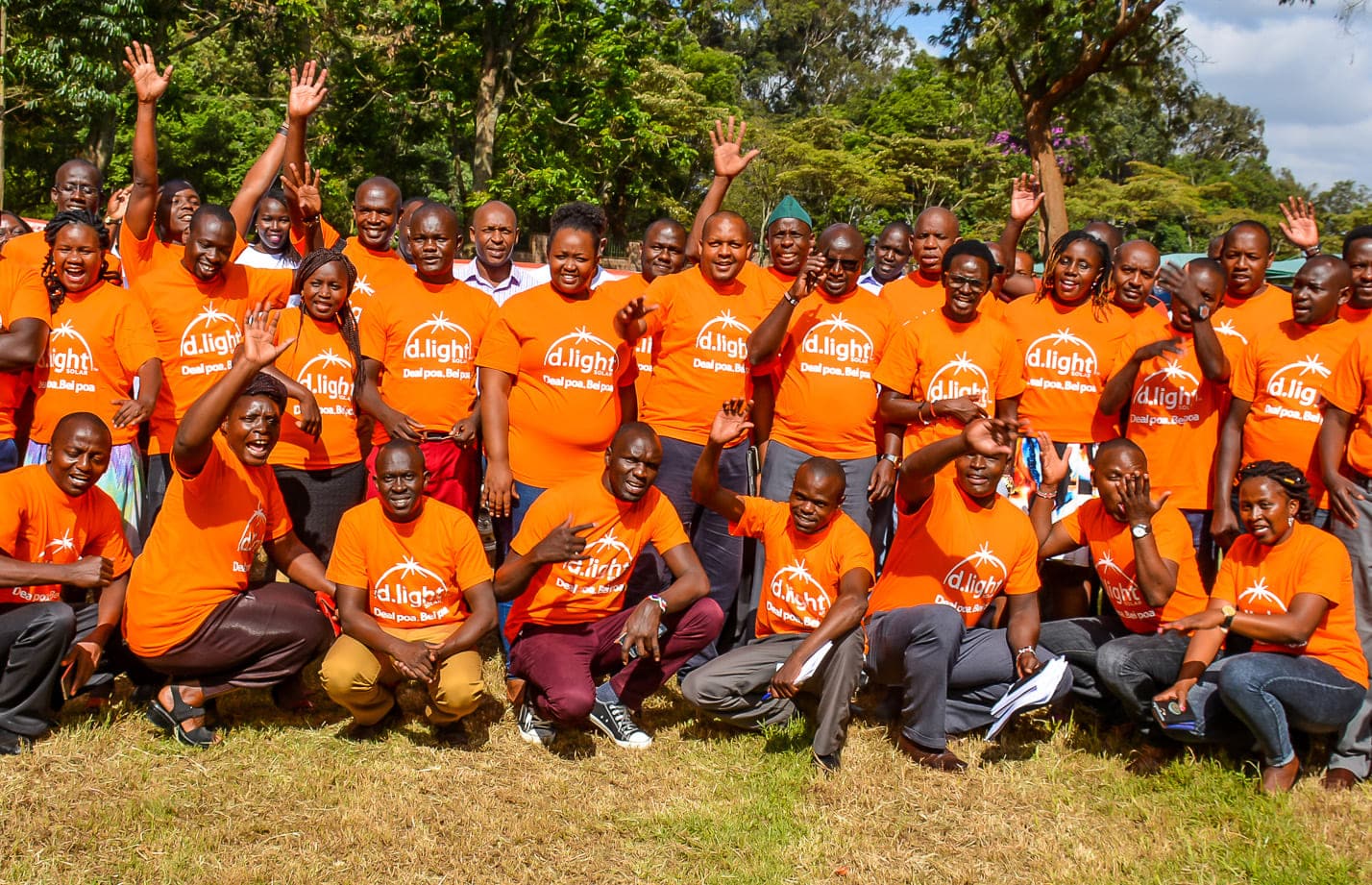
Founded in 2007, d.light develops and distributes off-grid solar products aimed at households without reliable access to electricity. The company operates across multiple African and Asian markets, focusing on solar home systems and appliances financed through flexible payment plans.
In 2025, d.light secured USD 300 million in debt financing, the largest disclosed startup transaction on the continent during the year. The capital was allocated to expanding access to low-cost clean energy solutions for millions of households, primarily through pay-as-you-go distribution models.
2. Sun King – Pay-As-You-Go Solar Systems
Sector: Clean Energy
Total Funding: USD 156 million
Country: Kenya
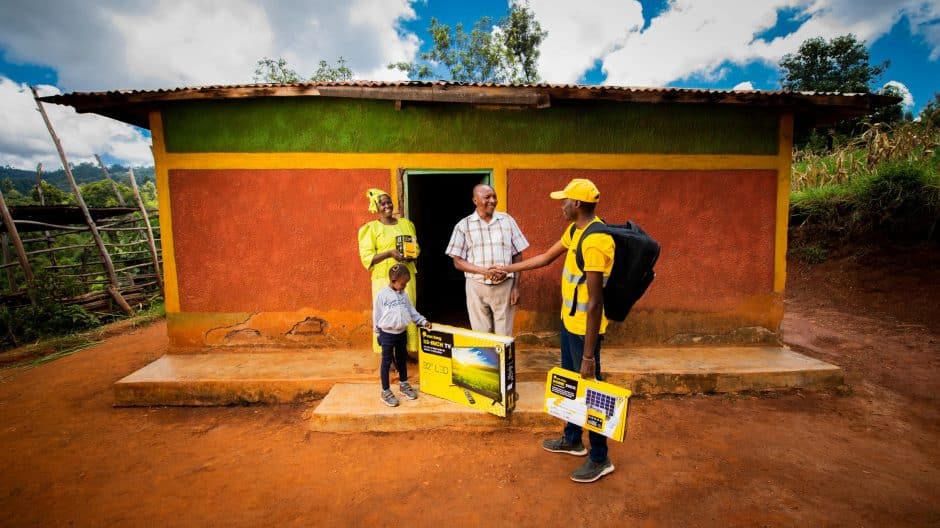
Sun King provides solar energy systems financed through installment-based payment models. The company focuses on enabling electricity access for off-grid and under-electrified communities using distributed solar technology.
The USD 156 million raised in 2025 came through a securitization structure, reflecting a growing reliance on asset-backed financing to support large-scale deployment of solar systems. The funding was directed toward scaling its pay-as-you-go portfolio.
3. Wave – Low-Cost Digital Payments
Sector: Fintech / Digital Payments
Total Funding: USD 137 million
Country: Senegal
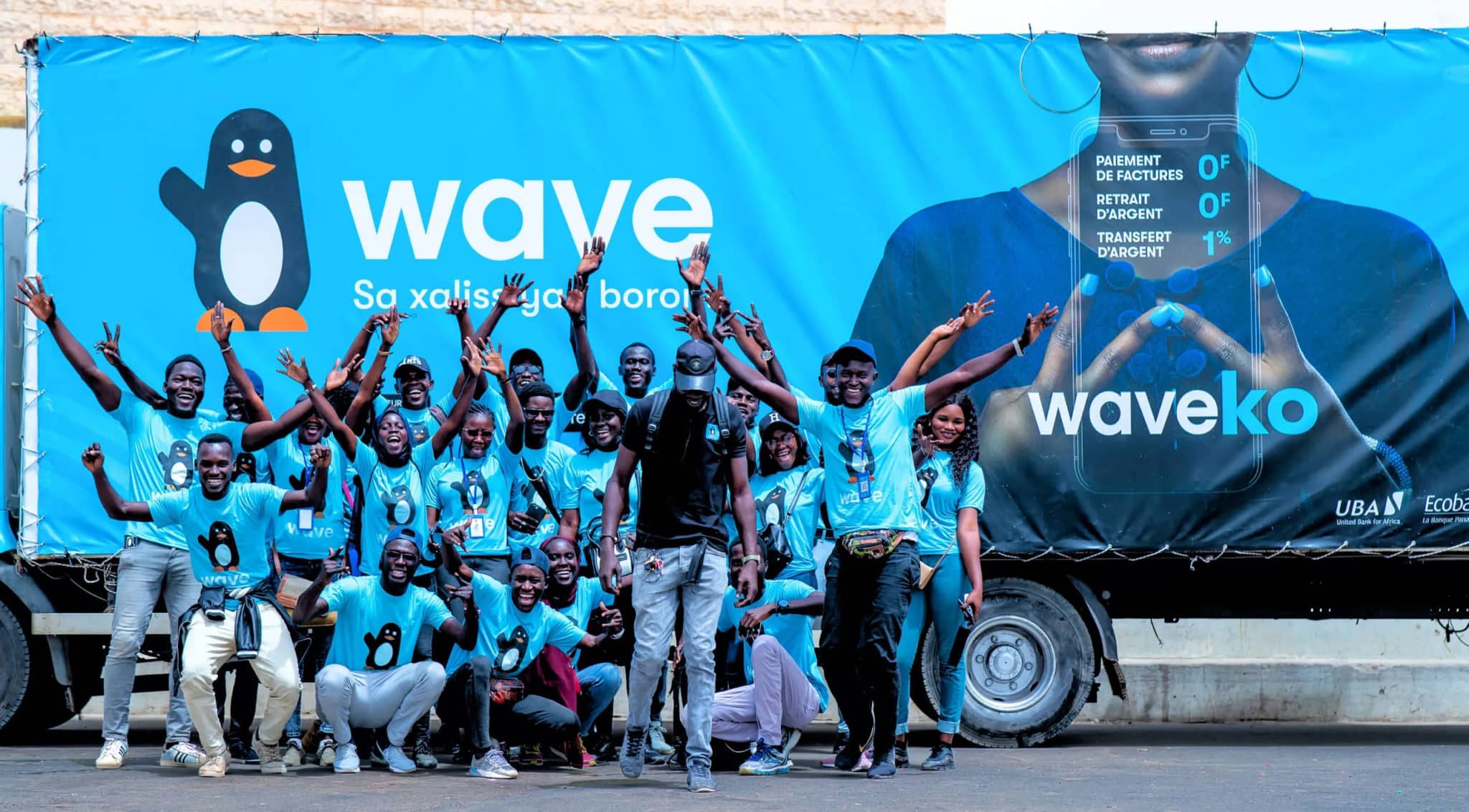
Wave operates a mobile money platform focused on low-fee peer-to-peer transfers and merchant payments, primarily in Francophone West Africa. Its model emphasizes simplified pricing and broad agent networks.
In 2025, Wave raised USD 137 million in debt financing, aimed at expanding into additional West African markets and strengthening payment infrastructure to support high transaction volumes at low cost.
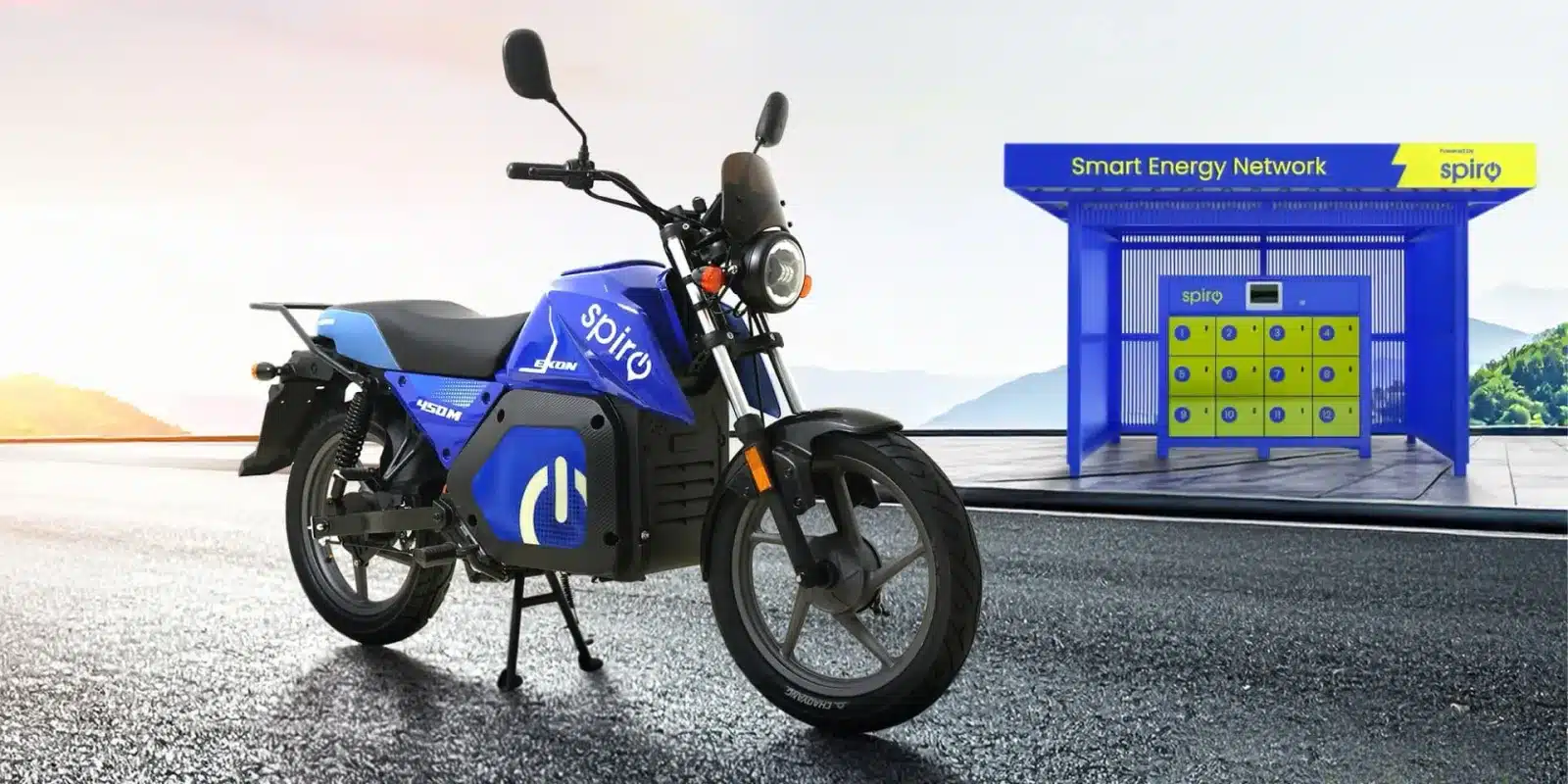
4. Spiro – Electric Two-Wheeler Mobility
Sector: Electric Mobility (E-Mobility)
Total Funding: USD 100 million
Country: Multi-country African operations
Spiro operates electric motorcycle fleets and battery-swap infrastructure across several African countries. The company’s business model targets urban mobility and delivery use cases, particularly in markets where two-wheelers dominate transportation.
The USD 100 million funding round in 2025 was allocated to expanding electric vehicle deployment and building additional battery-swapping stations, supporting fleet growth and operational scale.
5. hearX – Digital Hearing Health Solutions

Sector: HealthTech
Total Funding: USD 100 million
Country: South Africa
Founded in South Africa, hearX develops digital and mobile-based solutions for hearing screening and treatment. The company focuses on lowering the cost of hearing healthcare through software-driven diagnostics and connected devices.
The USD 100 million transaction completed in 2025 was linked to a merger, with capital earmarked for the global expansion of affordable hearing health technologies and further product development.
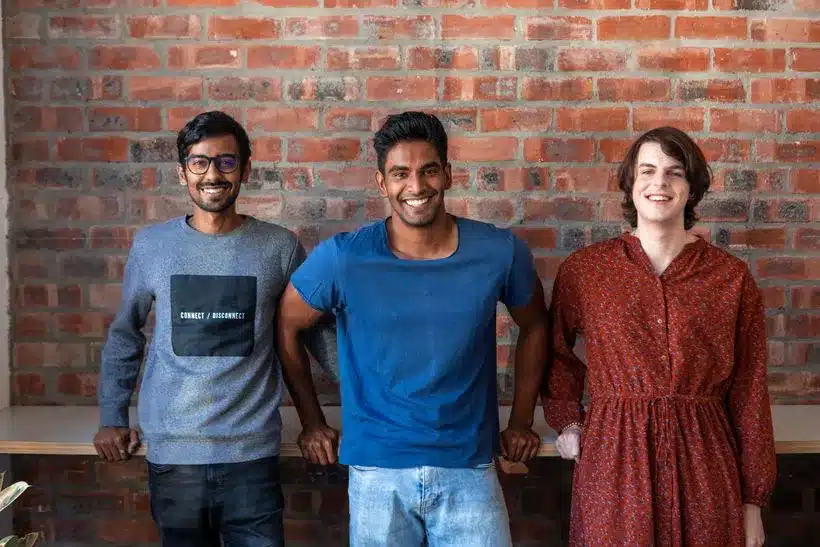
6. Stitch – Payment Infrastructure for Businesses
Sector: Fintech / Payments Infrastructure
Total Funding: USD 55 million
Country: South Africa
Stitch provides direct payment infrastructure that enables businesses and digital platforms to connect to bank accounts and initiate transactions without relying on cards. The company serves fintechs, marketplaces, and enterprise clients.
In 2025, Stitch closed a USD 55 million Series B round, intended to expand its payment connectivity solutions and support higher transaction volumes across Southern Africa.
7. LemFi – International Remittances Platform

Sector: Fintech / Cross-Border Payments
Total Funding: USD 53 million
Country: Nigeria
LemFi offers international money transfer services targeting diaspora communities sending funds to Africa. The platform focuses on simplifying remittances and reducing transaction friction.
The USD 53 million Series B round raised in 2025 was directed toward expansion beyond Africa into Europe and Asia, alongside efforts to increase its global user base.
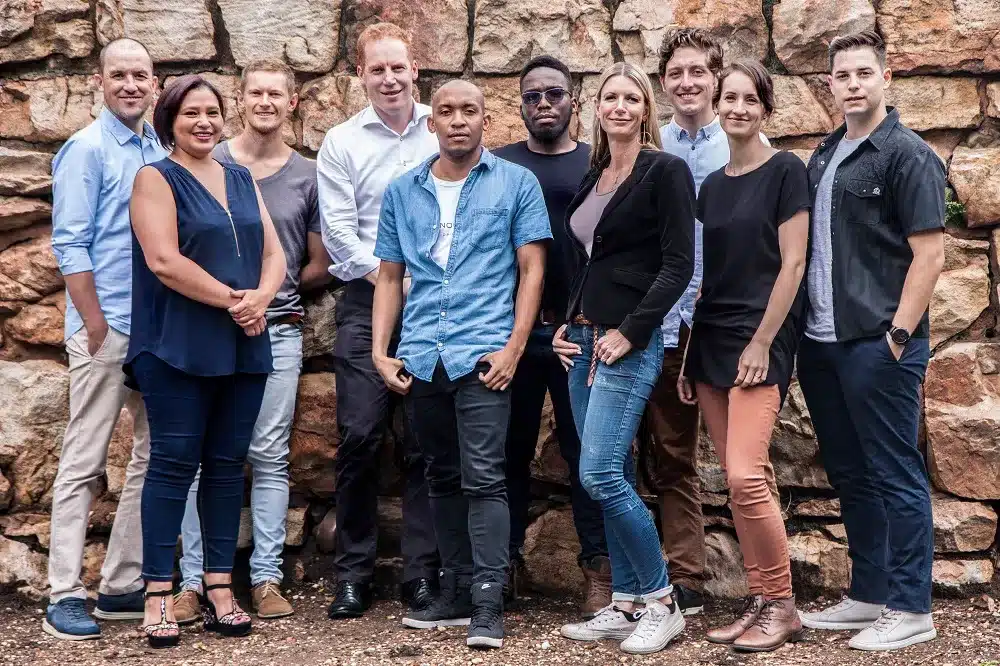
8. Naked Insurance – AI-Driven Insurance Products
Sector: Insurtech
Total Funding: USD 38 million
Country: South Africa
Naked Insurance provides digital insurance products using automation and artificial intelligence to streamline underwriting and claims. Its offerings include car, home, and asset insurance delivered through a mobile-first platform.
The USD 38 million Series B round in 2025 was aimed at further product development and scaling AI-driven insurance models within South Africa.
Conclusion
Africa’s startup funding landscape in 2025 was shaped by sector concentration and financing structure, rather than volume alone. Clean energy companies accounted for the largest transactions, reflecting sustained demand for distributed energy solutions and investor comfort with asset-backed and debt-based models.
Financial technology remained one of the most consistently funded sectors, particularly in payments and cross-border transfers. However, compared with earlier years, a larger share of capital was deployed through debt, securitization, and hybrid instruments, signaling a more cautious and cash-flow-focused investment approach.
Overall, the 2025 funding data suggests that investors prioritized companies operating in essential services with regional scalability, measurable unit economics, and the ability to deploy capital efficiently across multiple markets. These characteristics continue to define which startups attract the largest rounds across the African continent.











Africa Startups
South African AI Startup Verascient Raises $1.2M to Build AI Agents for Finance, Insurance and Logistics Across Africa
Verascient secures $1.2 million to enhance AI tools in financial, insurance, and logistics sectors.
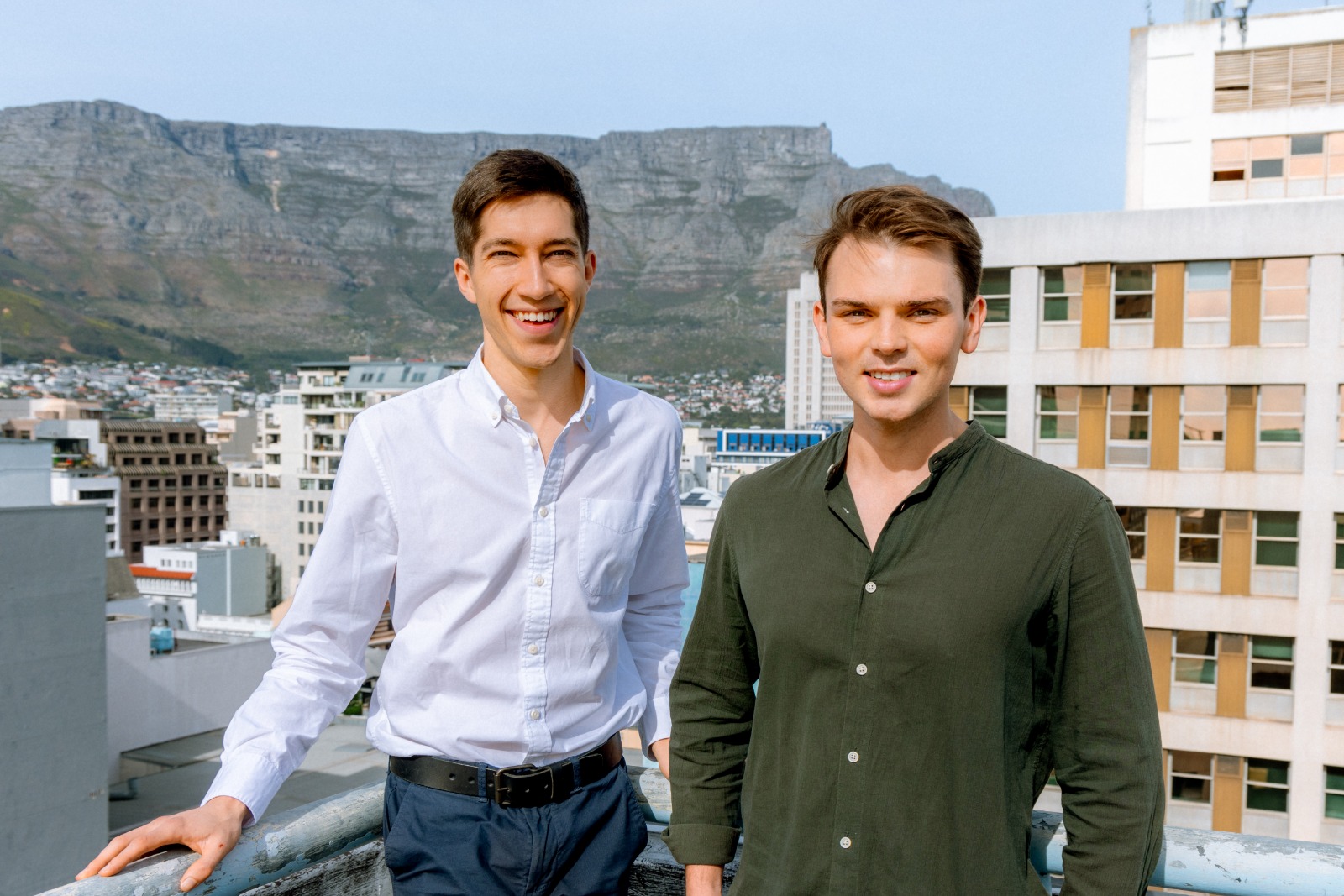
Verascient, a promising South African artificial intelligence startup, has successfully raised $1.2 million in its inaugural funding round.
The finance round, which was oversubscribed, highlights growing confidence in Verascient’s innovative solution of transforming disparate corporate knowledge into a coherent context for AI agents.
The round saw participation from prominent investors like Founder Collective, known for backing big names such as Uber and Airtable, as well as Andrena Ventures, Cambridge Enterprise, and Summit Ventures.
Angel investors Alan Knott-Craig and Shayne Mann also contributed to the round.
Founded by the dynamic duo Emile Ferreira and Keagan Stokoe, Verascient is pioneering in the sphere of intelligent business operations by working inside client organizations to unify information spread across various platforms like documents, emails, and internal systems.
This knowledge is then harnessed to create workflows and AI agents, aimed at making daily operations more intelligent and efficient.
The startup initially aims to target sectors such as financial services, insurance, and logistics, industries known for their vast amounts of siloed data and the potential to benefit greatly from Verascient’s offerings.
Innovative Infrastructure and AI Capabilities
Verascient’s core comprises a robust temporal knowledge graph, an innovative technology that maintains a holistic view of an organization’s data while preserving historical information, permissions, and provenance.
According to Ferreira, who spearheads technological efforts at Verascient, businesses often provide AI tools to employees without the adequate infrastructure necessary for intelligent operations.
Verascient bridges this gap by collaborating directly with enterprises to understand and optimize their processes, thus facilitating AI agents to operate effectively within existing frameworks.
The startup’s approach emphasizes revenue-related activities, operations, customer experiences, decision-making, and delivery aspects.
By continually refining its systems, Verascient ensures each improvement makes subsequent enhancements easier to achieve, creating a compounding effect as highlighted by Stokoe.
Central to Verascient’s model is the seamless integration of their infrastructure with the expertise of in-house AI engineers. This team is designed to work closely with clients to ensure the effective deployment of AI solutions.
Stokoe emphasizes the need for professionals who not only understand complex technologies but also grasp the practicalities of implementing them in everyday business scenarios.
Founders with Vision and Expertise
Emile Ferreira, Verascient’s CTO, has a rich background in AI innovation, having taught himself to code at 12 and subsequently contributing significantly to Replit, a tech company valued above $9 billion. His early creation of an on-device AI assistant attracted over 200,000 users, earning him an innovation award.
With a distinguished academic record, Ferreira completed his MPhil in Advanced Computer Science from Cambridge, co-authoring significant research with global entities like the United Nations.
Keagan Stokoe, a key member of South Africa’s tech ecosystem, played a crucial role in establishing Fibertime, serving over 1.5 million monthly users.
His endeavor, Purple Dorm, served as an AI consultancy for organizations in multiple regions, including South Africa and the UK.
Now, with the newly-acquired funding, Verascient plans to bolster its engineering department and expand its technological capabilities to support more enterprise level AI deployments.
Stokoe expressed the company’s aim to recruit the top 1% of AI engineering talent from South Africa to propel Verascient’s growth trajectory.
Africa Startups
Africa’s Business Heroes Names 2026 Top 10 Finalists, Egypt Leads the Continent with Two Founders Heading to Kigali for $1.5M Prize
Africa’s Business Heroes has announced its 2026 Top 10 finalists following the semi-finals in Nairobi, with Egypt securing two places through Simplex CNC founder Ahmed Shaaban and Reme-D founder Salma Tammam. The finalists will compete in Kigali this December for a share of the $1.5 million prize pool.

Africa’s Business Heroes (ABH) has announced the 10 entrepreneurs advancing to its 2026 Grand Finale, narrowing the field from 20 semi-finalists following a competitive pitching round in Nairobi, Kenya.
The finalists represent eight African countries and businesses spanning industrial technology, agriculture, healthtech, biotechnology, education, commerce technology and circular economy solutions.
Egypt is one of only two countries with multiple founders in the Top 10, securing two finalist spots through Ahmed Shaaban, founder of Simplex CNC, and Salma Tammam, founder of Reme-D. Kenya also has two representatives, while Côte d’Ivoire, Benin, South Africa, Tanzania, Nigeria and Ethiopia each have one.
The ten founders will now head to Kigali, Rwanda, in December, where they will compete in the ABH 2026 Grand Finale for a share of the competition’s $1.5 million prize pool.
The announcement follows the selection of 20 entrepreneurs from 12 countries earlier this month, when Egypt led the entire semi-final cohort with four founders.
Meet the Africa’s Business Heroes 2026 Top 10
| Country | Founder | Company | Sector & What It Does |
|---|---|---|---|
| Egypt | Ahmed Shaaban | Simplex CNC | Industrial Tech / Manufacturing — develops and manufactures CNC machinery and industrial manufacturing technologies. |
| Côte d’Ivoire | Appessika Adanin Laurent Koffi | Green Agro Valley CI | AgriTech — develops agricultural solutions centered around solar-powered irrigation and more efficient farming systems. |
| Benin | Gildas Zodome | BIO PHYTO | AgriTech — develops organic agricultural inputs and fertilizers to support farmers and agricultural production. |
| South Africa | Jess Roussos | BluLever Education | EdTech — provides vocational education and skills training designed to prepare learners for employment and skilled trades. |
| Tanzania | Joseph Paul | Dawa Mkononi | HealthTech — develops pharmaceutical supply-chain solutions aimed at improving access to medicines. |
| Nigeria | Kelvin Umechukwu | Bumpa | SaaS / CommerceTech — provides small businesses with digital tools to manage sales and operations and access financial services through a mobile-first platform. |
| Kenya | Louisa Gathecha | Bottle Logistics East Africa | ClimateTech / Circular Economy — focuses on glass recovery and recycling, returning discarded materials to productive use. |
| Kenya | Naom Monari | BENA CARE / Renal Roads | HealthTech — develops healthcare delivery solutions, including mobile renal and dialysis services. |
| Egypt | Salma Tammam | Reme-D | HealthTech / Biotech — develops biotechnology and medical diagnostic solutions aimed at improving healthcare diagnostics. |
| Ethiopia | Samson Fentaye | Thur Biotech | Biotech — develops biotechnology-based products and solutions. |
Egypt Sends Two Founders to the Grand Finale
Egypt entered the semi-finals with the largest national representation in the 2026 competition, accounting for four of the Top 20 entrepreneurs.
Two have now survived the latest elimination round.
Ahmed Shaaban’s Simplex CNC represents Egypt’s industrial technology and manufacturing sector. The company develops and manufactures CNC machinery and technologies used in industrial production, placing a hardware-focused Egyptian business among this year’s ten finalists.
The second Egyptian finalist, Salma Tammam, is building Reme-D in the healthtech and biotechnology sector, with a focus on medical diagnostics.
Their advancement means Egypt retains half of its original four-founder contingent as ABH moves from the semi-finals to the final stage.
The other Egyptian semi-finalists were Farah Emara of FreshSource, which operates an integrated fresh-food supply chain spanning sourcing, grading, cold storage, logistics and distribution, and Nour El-Assal of Tagaddod, a climate-tech company working across waste, used-oil collection, recycling and renewable-resource supply chains.
While FreshSource and Tagaddod did not advance to the Top 10, Egypt’s two finalists leave the country tied with Kenya for the largest representation in the Grand Finale.
Kenya Also Claims Two Places
Kenya will be represented in Kigali by Louisa Gathecha of Bottle Logistics East Africa and Naom Monari of BENA CARE / Renal Roads.
Bottle Logistics East Africa operates within the circular economy, focusing on the recovery and recycling of glass and turning discarded materials back into usable economic resources.
BENA CARE / Renal Roads operates in healthcare, developing models for healthcare delivery that include mobile renal and dialysis services.
The two Kenyan founders advanced from a three-person national contingent in the Top 20.
Nigeria’s Bumpa Advances to the Final
Nigeria, which entered the semi-finals with three entrepreneurs, will have one representative in Kigali: Kelvin Umechukwu, founder of Bumpa.
Bumpa is building a mobile-first business management platform for small businesses, helping merchants digitize operations, manage sales and gain access to financial services.
The company operates across Nigeria and Kenya and represents the commerce technology and SaaS segment of this year’s final.
Nigeria’s other Top 20 entrepreneurs, Affiong Williams of ReelFruit and Ikechukwu Anoke of Zuri Health, did not advance to the Grand Finale.
Agriculture, Healthcare and Biotechnology Remain Strongly Represented
The final cohort stretches well beyond Africa’s largest startup markets.
From Côte d’Ivoire, Appessika Adanin Laurent Koffi advances with Green Agro Valley CI, an agricultural technology company working on solar-powered irrigation and solutions designed to improve farming efficiency.
Gildas Zodome of Benin reaches the final with BIO PHYTO, which develops organic agricultural inputs and fertilizers.
Healthcare and life sciences also have a significant presence.
Alongside Egypt’s Reme-D and Kenya’s BENA CARE / Renal Roads, Joseph Paul of Tanzania is competing with Dawa Mkononi, which works on pharmaceutical supply-chain solutions aimed at improving access to medicines.
Samson Fentaye of Ethiopia, meanwhile, represents Thur Biotech, bringing another biotechnology company into the final cohort.
South Africa’s BluLever Brings Vocational Education to the Top 10
South Africa’s sole Top 20 representative, Jess Roussos, has also advanced to Kigali with BluLever Education.
The company focuses on vocational education and skills development, preparing learners for employment and skilled trades.
Its inclusion adds education and workforce development to a Top 10 otherwise heavily represented by technology-enabled businesses in healthcare, agriculture, manufacturing and commerce.
From 20 Builders in Nairobi to 10 Heroes in Kigali
ABH announced its Top 20 earlier in August following months of applications, evaluations and deliberations.
That semi-final cohort represented 12 African countries, with Egypt contributing four founders, Nigeria and Kenya three each, Morocco two, and Côte d’Ivoire, Rwanda, Benin, Madagascar, South Africa, Tanzania, Ghana and Ethiopia one each.
The entrepreneurs then travelled to Nairobi for the semi-final stage, where they pitched their businesses before the field was reduced from 20 to 10.
The result also changes the geographical composition of the competition.
Morocco’s two semi-finalists, Meriem Benabad of z.systems and Nidal Tafah of MIRRIAH, did not progress, leaving Egypt as the only North African country represented in the Grand Finale.
The final ten now come from Egypt, Côte d’Ivoire, Benin, South Africa, Tanzania, Nigeria, Kenya and Ethiopia.
The Road to the $1.5 Million Grand Finale
The Top 10 will next travel to Kigali this December for the final stage of Africa’s Business Heroes 2026.
There, the entrepreneurs will pitch their businesses again and compete for a share of $1.5 million in prize funding.
For Egypt, the final will bring two very different companies onto the continental stage: one developing industrial machinery and another working at the intersection of biotechnology and medical diagnostics.
For the wider cohort, the Top 10 reflects the geographic and sector diversity ABH highlighted when it initially described its 2026 entrepreneurs as “The Best of Africa’s Builders.”
After starting the semi-finals with 20 founders from 12 countries, only ten businesses remain.
The next stop is Kigali — where the final ranking of the Africa’s Business Heroes 2026 will be decided.
Africa Startups
Three African FinTech Startups Selected Among 10 Global Companies for Stellar x CV Labs Accelerator, Each Eligible for Up to $150K in Funding
FinTech startups JoonaPay, Kutana Technologies and Yolat have been selected among 10 companies joining the inaugural Stellar x CV Labs Accelerator, giving each startup access to up to $150,000 in XLM development funding, mentorship and investor connections.
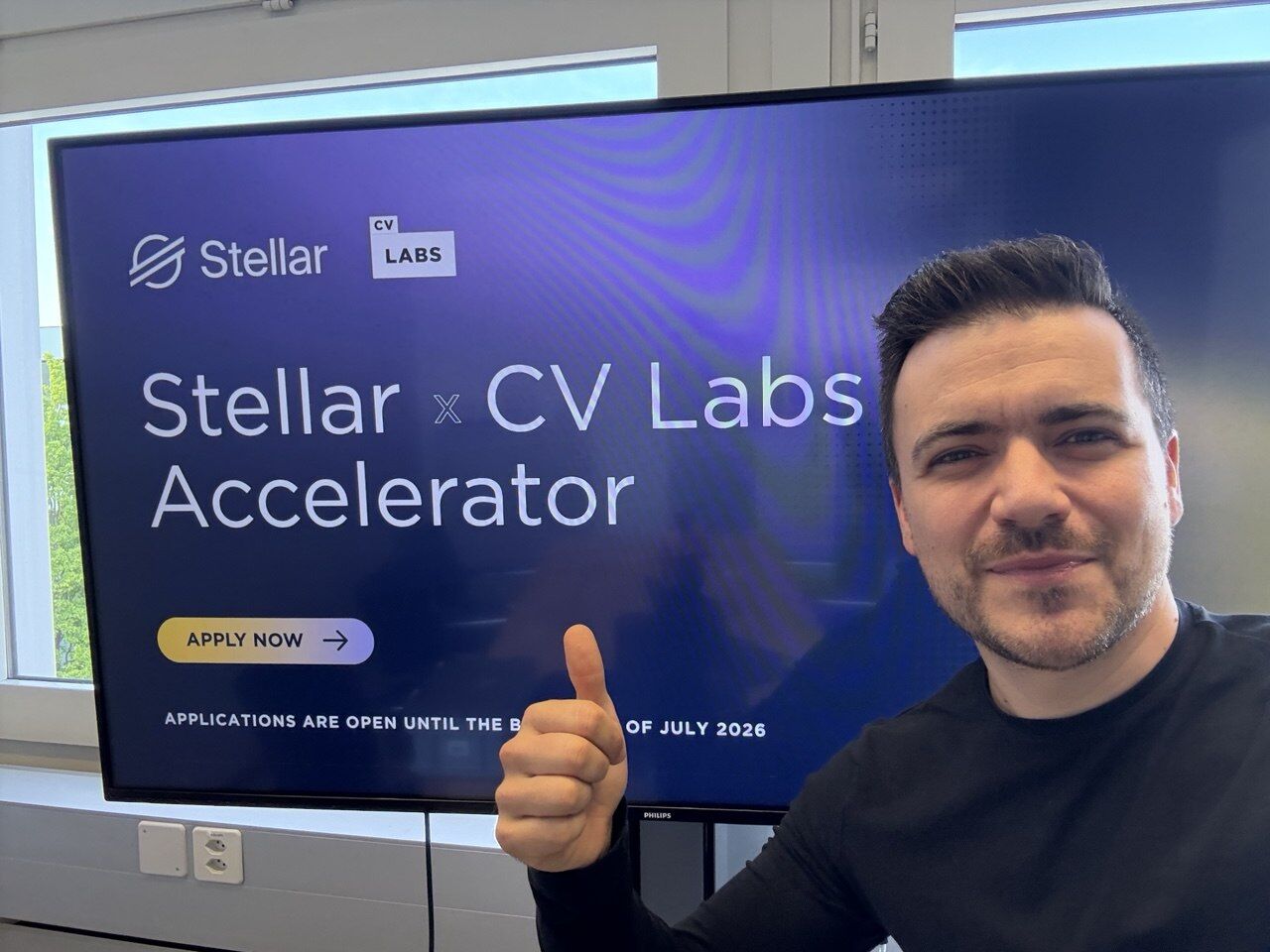
Three African FinTech startups have been selected for the inaugural cohort of the Stellar x CV Labs Accelerator, a 12-week programme supporting early-stage companies building blockchain-powered financial infrastructure across Africa, Europe, the Middle East and the United States.
The African companies selected are JoonaPay from Côte d’Ivoire, Kutana Technologies from Ghana, and Yolat from Nigeria.
They join a cohort of 10 startups selected by the Stellar Development Foundation and CV Labs, with participating companies building solutions across payments, decentralized finance (DeFi) and real-world assets.
Each selected startup may receive up to $150,000 in XLM development funding, alongside more than $200,000 worth of programme perks, mentorship from over 50 industry experts and introductions to potential investors.
The programme includes an in-person bootcamp in Cape Town in August 2026 before concluding with a live Demo Day during the Stellar Meridian conference in Lisbon in October.
“The quality of this inaugural cohort reflects how quickly blockchain is transforming financial infrastructure,” said Jose Fernandez da Ponte, President and Chief Growth Officer of the Stellar Development Foundation.
“These founders are building solutions that address genuine market needs from cross-border payments to digital asset access and trade finance,” he added.
JoonaPay, Kutana and Yolat Represent Africa in the First Cohort
JoonaPay, headquartered in Côte d’Ivoire, is building a digital financial platform focused on Francophone West Africa. Its products cover payments, spend management and banking services, targeting the region’s growing demand for digital financial infrastructure.
Ghana-based Kutana Technologies, through its Kutana Pay platform, focuses on B2B cross-border payments across Africa.
The company operates across the UK, Ghana and Nigeria and provides products including multi-currency wallets and Trade Secure, designed to facilitate transactions for SMEs, exporters and financial institutions.
Kutana says transactions can settle in as little as four seconds, while its escrow functionality allows funds to remain protected until agreed transaction conditions have been fulfilled.
The startup was also selected for JPMorgan’s Financial Futures Programme in 2025.
Nigeria-based Yolat, meanwhile, is developing a cross-border money transfer platform that enables users to send and receive money internationally.
The company focuses on faster international transfers and competitive exchange rates, seeking to reduce the amount lost to transaction costs when users send money across borders.
Together, the three startups represent different segments of Africa’s evolving digital payments market, from consumer remittances and digital banking to B2B cross-border financial infrastructure.
Up to $150K in XLM Funding for Each Startup
The Stellar x CV Labs Accelerator is structured around four phases covering product development, technical implementation and fundraising.
The opening phase focuses on refining each startup’s vision, developing project roadmaps, matching founders with mentors and establishing objectives for the programme.
The following phases concentrate on product building and fundraising, with participating startups receiving support across areas including technical implementation, tokenomics, marketing, business development and legal strategy.
Founders will also work on their pitch decks and fundraising strategies before being introduced to investors.
The accelerator concludes with a live Demo Day at the Stellar Meridian conference in Lisbon, where the companies will pitch to venture capital firms, angel investors and crypto industry operators.
Support for participating founders is expected to continue after the formal 12-week programme concludes.
The accelerator targets early-stage startups based in or serving Africa, the Middle East and Europe, particularly companies operating across DeFi, payments and real-world assets.
Companies do not need to already be building on Stellar to qualify, with startups using other blockchain networks also eligible if they are interested in integrating with the Stellar technology stack.
The inaugural cohort gives JoonaPay, Kutana Technologies and Yolat an opportunity to develop their financial technology products while gaining access to funding, technical expertise and international investors as they seek to scale their businesses across African and global markets.
-

 MENA Startups7 days ago
Egypt-Based Exits MENA and ACE Acquire Avanz Capital Egypt in Seven-Figure Deal to Expand Private Equity and Asset Management
-

 MENA Startups6 days ago
MENA-Born Enterprise Voice AI Startup HeyBreez Raises $2.5M Seed to Accelerate Global Expansion
-
 News3 days ago
Dubai Entrepreneurs Who Raised $400K on Kickstarter Launch 12-Week Accelerator Teaching Teens to Build and Crowdfund Real Startups
-
 Asia Startups1 week ago
Singapore-Based RetailTech Startup Graas Raises $17M Series B, Acquires Trustana to Expand AI-Powered Commerce Platform
-

 MENA Startups6 days ago
Saudi EdTech AILA Raises $3M Pre-Series A to Scale AI-Powered Personalized Learning Across Regional and Global Markets
-

 MENA Startups7 days ago
Iraq-Based E-Commerce Startup Rozenama Raises $150K Pre-Seed to Expand Platform Nationwide
-

 MENA Startups7 days ago
UAE-Based Startup Tax Star Raises $1.75M to Expand AI-Powered Tax Compliance Platform Across GCC
-

 Asia Startups7 days ago
Indian FinTech Startup Rezolv Raises $12.5M to Expand AI-Powered Lending Platform
You must be logged in to post a comment Login