
Asia Startups
Many of Them Are Replicable in the MENA Region: A Look at the Strongest Startups in India
This article examines some of India’s most heavily funded startups, outlining their sectors, funding histories, and operating models within one of the world’s largest and most active emerging-market ecosystems.

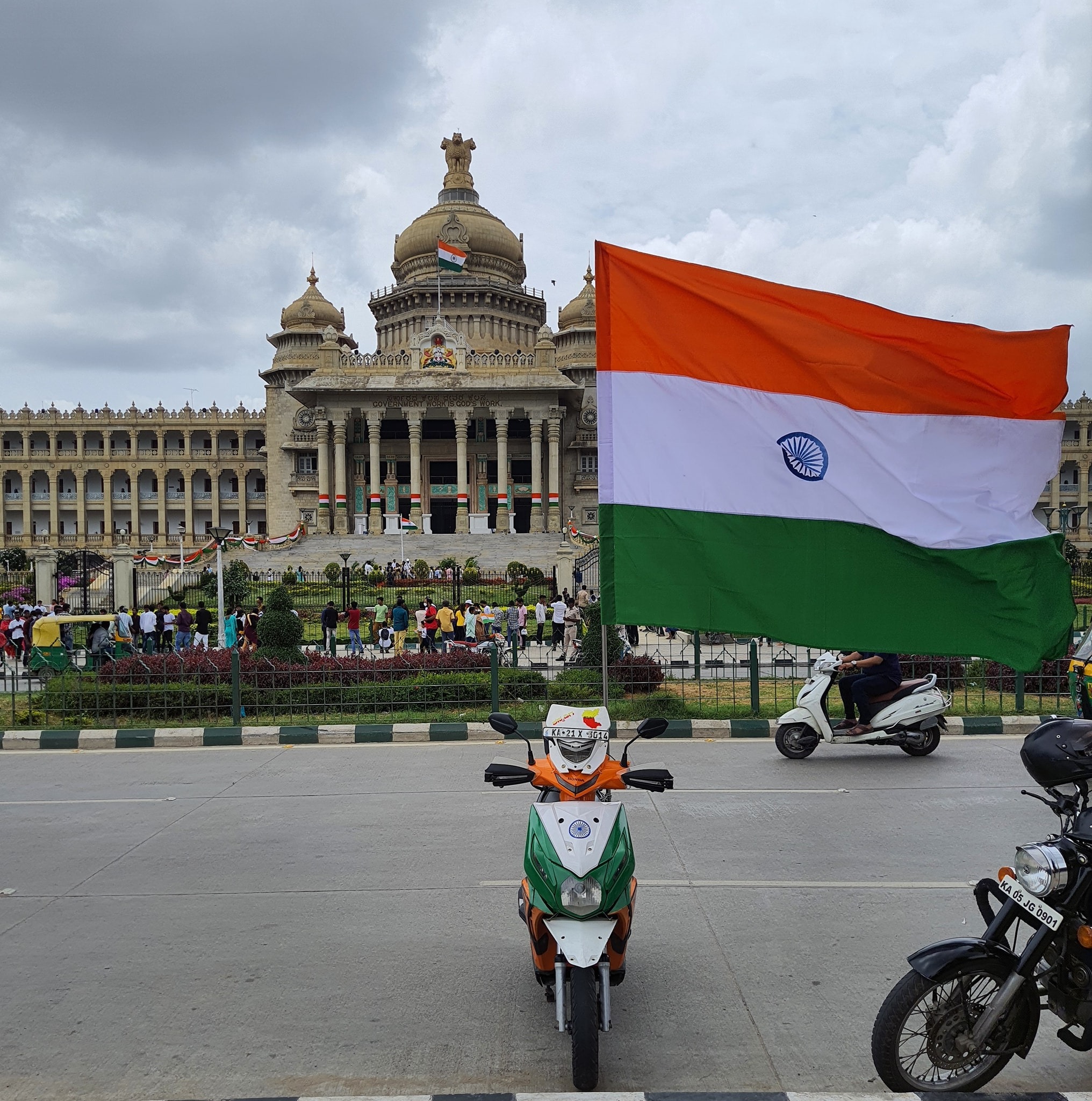
India has developed one of the largest startup ecosystems globally, supported by a combination of market size, digital adoption, and sustained venture capital inflows. Between 2015 and 2024, Indian startups collectively raised tens of billions of dollars, with fintech, e-commerce, SaaS, logistics, and consumer internet platforms accounting for a significant share of total funding. Major hubs such as Bengaluru, Delhi NCR, and Mumbai continue to attract both domestic and international investors.
Despite fluctuations in global venture markets, India has maintained a relatively steady pipeline of late-stage companies. Several startups have reached valuations above USD 1 billion, supported by large addressable markets, cost-efficient technology talent, and increasing digital penetration across consumers and enterprises.
The following list focuses on Indian startups that have raised substantial capital, highlighting their core business models, geographic scope, and funding context.
1. Flipkart – Large-Scale E-Commerce Marketplace
Sector: E-commerce / Online Retail
Total Funding: Over USD 12 billion raised prior to acquisition
Founded in 2007 by Sachin and Binny Bansal and headquartered in Bengaluru, Flipkart operates one of India’s largest online retail platforms. The company built its business around third-party sellers, warehousing infrastructure, and nationwide logistics coverage.
Flipkart raised capital from investors including Tiger Global, Accel, SoftBank, and others before being acquired by Walmart in 2018. Its scale was driven by strong demand for online retail, expansion into categories such as electronics and fashion, and investments in supply-chain infrastructure.
2. Paytm – Digital Payments and Financial Services Platform

Sector: Fintech / Digital Payments
Total Funding: Over USD 4 billion raised prior to IPO
Founded in 2010 by Vijay Shekhar Sharma, Paytm provides digital wallets, UPI payments, merchant services, and a range of financial products. Headquartered in Noida, the company played a central role in India’s digital payments expansion, particularly after regulatory initiatives promoting cashless transactions.
Paytm raised funding from investors including Ant Group, SoftBank, and Berkshire Hathaway before listing publicly in 2021. Its business spans consumer payments, merchant acquiring, and financial services distribution.
3. BYJU’S – Online Education and Learning Platforms
Sector: Edtech
Total Funding: Approximately USD 5 billion raised
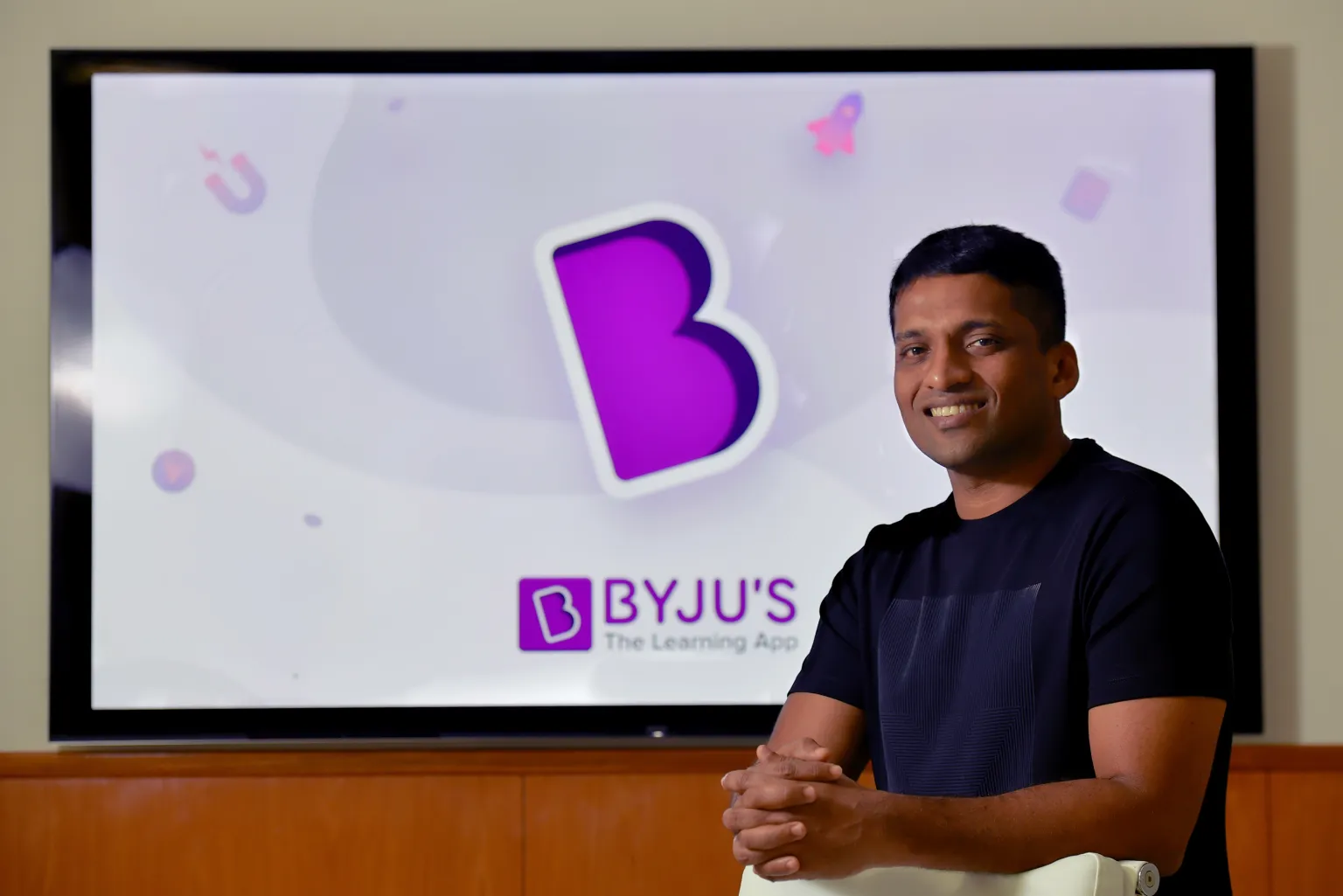
Founded in 2011 and based in Bengaluru, BYJU’S developed a subscription-based digital learning platform offering test preparation and curriculum-aligned content for students. The company expanded internationally through acquisitions and localized content offerings.
BYJU’S raised capital from investors including Prosus, General Atlantic, Tiger Global, and Silver Lake. While the company scaled rapidly, it later faced operational, governance, and financial challenges, highlighting risks associated with aggressive expansion strategies.
4. Zomato – Food Delivery and Restaurant Services
Sector: Food Delivery / Local Commerce
Total Funding: Over USD 2 billion raised prior to IPO
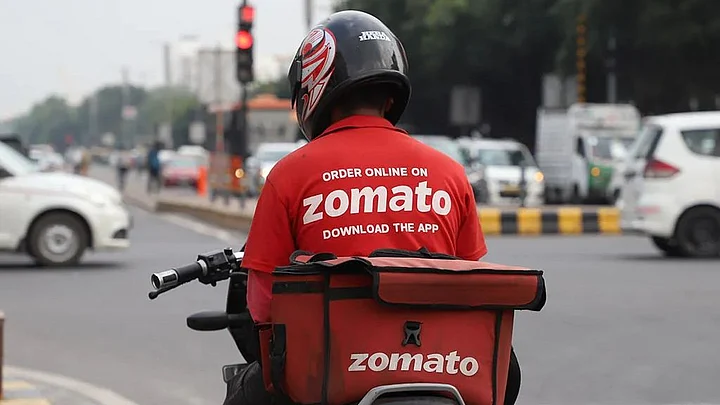
Zomato was founded in 2008 by Deepinder Goyal and Pankaj Chaddah and is headquartered in Gurugram. The platform connects consumers with restaurants for food delivery, dining discovery, and loyalty services.
The company raised capital from Info Edge, Sequoia Capital, Ant Group, and others before going public in 2021. Zomato’s business model relies on commissions, delivery fees, and advertising services for restaurants.
5. Ola – Ride-Hailing and Mobility Services
Sector: Mobility / Transportation
Total Funding: Over USD 5 billion raised
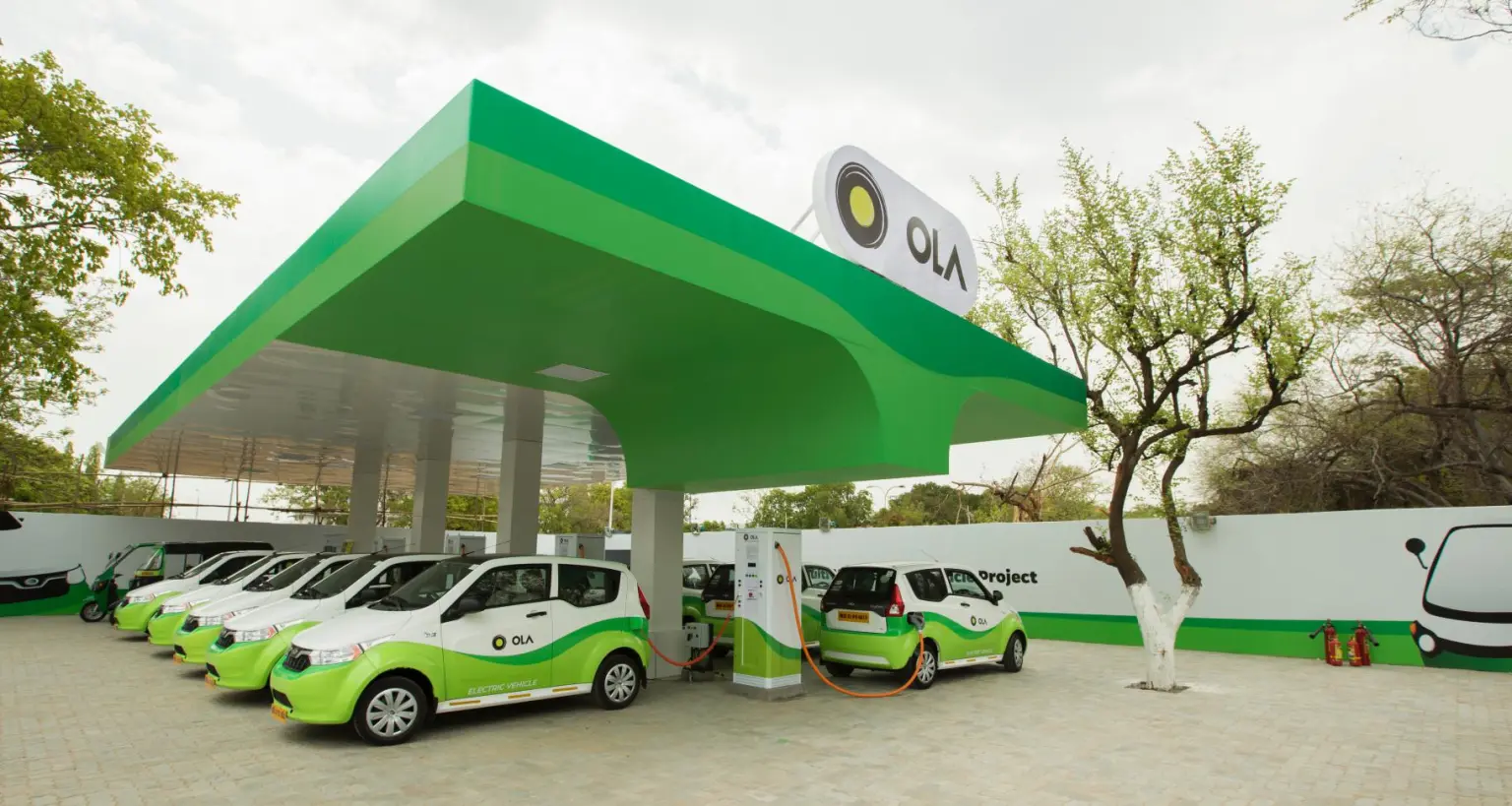
Founded in 2010 by Bhavish Aggarwal and Ankit Bhati, Ola operates a ride-hailing platform serving multiple Indian cities and selected international markets. The company expanded beyond mobility into electric vehicles through Ola Electric.
Ola raised funding from investors including SoftBank, Tiger Global, and Temasek. Its growth has been shaped by urban transportation demand, regulatory developments, and competition within the ride-hailing sector.
6. Razorpay – Payment Processing for Businesses
Sector: Fintech / Payments Infrastructure
Total Funding: Approximately USD 740 million raised
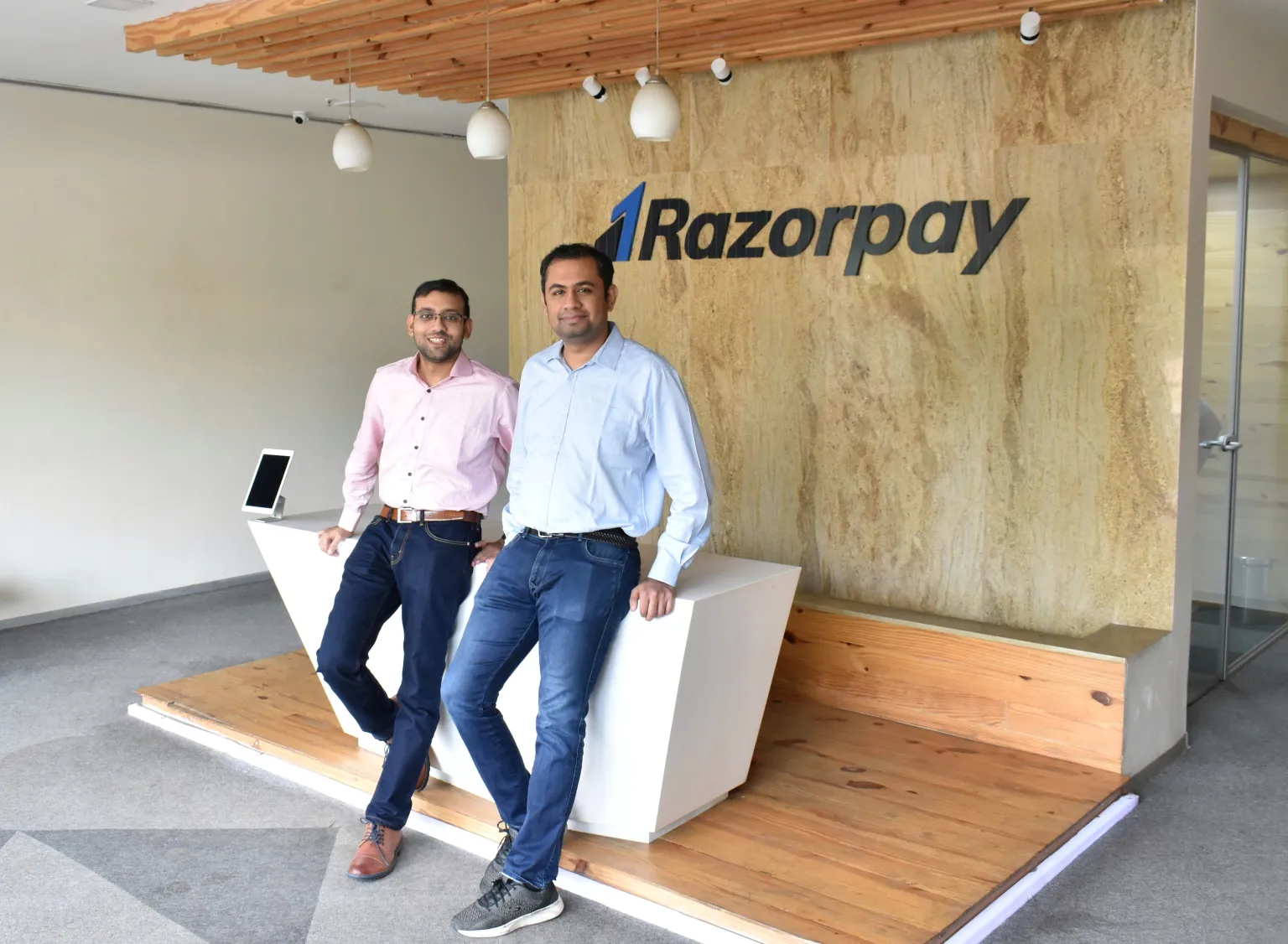
Founded in 2014 and headquartered in Bengaluru, Razorpay provides payment gateways, banking tools, and financial services for businesses and online merchants. The platform targets startups, SMEs, and large enterprises requiring integrated payment solutions.
Razorpay’s investors include Sequoia Capital India, GIC, Tiger Global, and Ribbit Capital. The company’s expansion has been linked to growth in online commerce and digital business operations.
7. Freshworks – Enterprise SaaS and Customer Support Software

Sector: SaaS / Enterprise Software
Total Funding: Around USD 400 million raised prior to IPO
Freshworks was founded in 2010 by Girish Mathrubootham and is headquartered in Chennai and San Mateo. The company develops cloud-based customer engagement and IT service management software for global businesses.
Freshworks raised funding from Accel, Sequoia Capital, and CapitalG before listing on NASDAQ in 2021. Its growth reflects demand for subscription-based enterprise software from mid-sized and large organizations.
Top Startups In India
India’s startup ecosystem shows a high concentration of capital in sectors such as fintech, e-commerce, SaaS, mobility, and consumer services. Large domestic demand, widespread smartphone usage, and a deep pool of technical talent have supported the emergence of capital-intensive platforms capable of reaching national scale.
Funding patterns indicate that while India continues to produce late-stage companies, outcomes vary significantly. Some startups have transitioned successfully to public markets or acquisitions, while others have encountered operational or governance challenges after rapid expansion.
Overall, India represents a mature emerging-market ecosystem where scale, regulatory alignment, and execution capability strongly influence long-term performance. The diversity of sectors and funding outcomes highlights both the opportunities and structural constraints present in large, fast-growing markets.


Asia Startups
Indian HRTech Startup Scooter Raises $160K Pre-Seed Funding to Expand Sales Hiring Platform and Streamline Candidate Assessments
The Pune-based startup secured ₹1.5 crore in an AJVC-led round to strengthen its skills-based platform for assessing and hiring sales professionals.

Scooter, an Indian sales hiring startup, has raised ₹1.5 crore (US$0.16 million) in a pre-seed funding round led by AJVC, the early-stage venture capital fund founded by Aviral Bhatnagar.
The Pune-based company plans to use the fresh capital to strengthen its product and simplify sales hiring for startups and job seekers. The deal marks AJVC’s first investment in a Pune-based startup.
Scooter did not disclose its valuation or the total amount of capital it has raised to date.
Moving Sales Hiring Beyond Resumes
Founded in 2024 by Kartik Mandrekar and Saumya Seth, Scooter is building a hiring platform focused specifically on sales roles. Rather than relying primarily on resumes and conventional screening, the startup assesses candidates through exercises designed around the requirements of individual sales positions.
The platform sources verified sales candidates and evaluates them before presenting employers with a shortlist of three to five applicants. Hiring managers can also review video clips from candidate assessments before examining their resumes.
Scooter’s approach is built around assessing how candidates perform in sales-related scenarios earlier in the recruitment process, giving employers another layer of information before committing time to interviews.
The model primarily targets startups and sales teams looking to evaluate practical selling skills while reducing the time required to screen large pools of applicants.
Pre-Seed Funding to Strengthen the Platform
Scooter will use the AJVC-led financing to expand its product and improve the hiring experience for both candidates and employers.
The company is working to refine how sales professionals are assessed and matched with potential employers, particularly startups that need to build or expand sales teams.
Its platform brings candidate sourcing, assessments and shortlisting into a single process. By providing employers with a smaller pool of evaluated candidates, Scooter aims to reduce some of the manual screening typically involved in sales recruitment.
The startup has not disclosed additional investors in the pre-seed round.
Building a Network of Sales Candidates
Scooter said it currently works with more than 50 companies and has added 14 new clients in recent months. Its candidate network has also grown to more than 10,000 sales professionals.
The company said one client completed a sales hire through the platform in six days. The business and performance figures were provided by Scooter and have not been independently verified.
The founders bring backgrounds spanning sales, hiring and science. Mandrekar previously led sales teams at Gartner, Shoptimize and Graas, giving him experience in both sales operations and recruitment. Seth is a scientist and holds a master’s degree from the University of Pennsylvania.
A Skills-First Model for Sales Recruitment
Scooter is betting that sales recruitment can benefit from putting practical assessments earlier in the hiring process rather than using resumes as the primary filter.
Its platform is designed to evaluate candidates against role-specific requirements and give hiring managers access to assessment results before they move deeper into the recruitment process.
With its first institutional capital from the AJVC-led pre-seed round, Scooter will now focus on developing its product, expanding its network and improving how startups identify and evaluate sales talent.
Asia Startups
India-based SpaceTech Startup GalaxEye Secures $6.67M TDB Support to Advance OptoSAR Satellite Technology
GalaxEye will use the TDB financing to advance its multisensor Earth-observation platform from TRL 6 to operational readiness at TRL 9.

GalaxEye Space Solutions, a Bengaluru-based space technology startup, has secured ₹63.84 crore (US$6.67 million) in financial support from India’s Technology Development Board (TDB) to accelerate the development and deployment of its indigenous OptoSAR satellite technology.
The financing will support a ₹247.69 crore project focused on building a multisensor Earth-observation satellite that integrates Synthetic Aperture Radar (SAR) with electro-optical imaging. GalaxEye plans to use the funding to move the technology from Technology Readiness Level (TRL) 6 to TRL 9, taking it from advanced demonstration to an operational space system.
TDB Backs GalaxEye Through India’s RDI Fund
The Technology Development Board, which operates under the Department of Science and Technology, signed an agreement with GalaxEye Space Solutions Private Limited to provide the ₹63.84 crore financial package.
The support comes through the Government of India’s Research Development and Innovation (RDI) Fund, which finances technology-intensive projects as they progress toward deployment and commercialisation.
TDB will provide the financing through Optionally Convertible Debentures. GalaxEye will direct the capital toward engineering, system integration, testing, qualification and validation work required to prepare the OptoSAR platform for operational deployment.
TDB Secretary Rajesh Kumar Pathak highlighted the importance of supporting the domestic development and deployment of sophisticated technologies, with the RDI Fund designed to help projects bridge the gap between advanced development and commercial readiness.
Combining Radar and Optical Imaging
GalaxEye’s OptoSAR architecture brings SAR and electro-optical imaging together within a single multisensor satellite platform, aiming to overcome some of the limitations associated with relying on either technology independently.
Optical sensors can capture detailed visual information but are constrained by darkness and cloud cover. SAR uses radar signals and can operate during the day or night and under cloudy conditions. Combining both capabilities could provide more consistent Earth observation across changing weather and lighting environments.
The proposed satellite is being designed to deliver imagery with a resolution of less than 0.5 metre. GalaxEye is targeting applications including wide-area monitoring, infrastructure observation, surveillance, human and vehicle detection, and target classification.
Moving OptoSAR From TRL 6 to TRL 9
GalaxEye’s technology has reached TRL 6, indicating that the system has been demonstrated in a relevant environment. The next development phase will focus on reaching TRL 9, when the technology has been proven in its final operational configuration.
Achieving that milestone will require further system integration, qualification, performance validation and testing before deployment. TDB’s financial support is intended to help fund this transition and move the OptoSAR platform closer to operational use.
The technology could support applications across defence and border monitoring, disaster management, agriculture, infrastructure planning, maritime surveillance and environmental monitoring. Its multisensor configuration is designed to combine the detailed visual information provided by optical sensors with SAR’s ability to capture imagery despite poor visibility or cloud cover.
Building Domestic Earth-Observation Capabilities
The programme also contributes to India’s efforts to develop domestic capabilities across satellite manufacturing, advanced sensing and space-based data services.
For GalaxEye, integrating radar and optical sensors into a single satellite architecture could give users greater flexibility in satellite tasking, data access and system configuration while reducing observation gaps created by weather and lighting conditions.
The TDB-backed programme now represents a key development phase for the company as it works to validate its OptoSAR technology and move the platform from an advanced prototype toward operational deployment.
Asia Startups
Indian Experience-Tech Startup Alive App Raises $1M Seed Funding to Expand Experience Supply and Technology Capabilities
The Powerhouse Ventures-led round, backed by Flipkart Ventures, will support Alive App’s technology and experience supply as it targets 3X revenue growth.

Alive App, an Indian AI-powered experience-tech startup, has raised $1 million in a seed funding round led by Powerhouse Ventures, with participation from Flipkart Ventures, as it looks to deepen its presence across six Indian markets.
The Bengaluru-based company will use the fresh capital to strengthen its product and technology capabilities while expanding the supply of experiences available through its platform. Alive App is also targeting 3X revenue growth over the coming months and plans to increase how frequently customers book activities.
Building a Marketplace for Local Experiences
Founded in 2023 by Vivek Kumar, Alive App helps urban consumers discover curated activities spanning adventure, food, wellness, art, culture and learning.
The platform operates across Bengaluru, Hyderabad, Mumbai, Chennai, Delhi and Goa, offering more than 500 experiences through a network of over 400 creators and partners.
More than 90% of bookings on Alive App are for local experiences, according to the company, indicating that much of its demand comes from consumers looking for activities within their own cities rather than travel-related experiences.
Alive App currently adds around 100 new experiences every month. The startup said its experience supply across Chennai, Mumbai, Delhi and Goa has grown five times faster than during its initial expansion phase.
Fresh Capital to Strengthen Product and Supply
The $1 million investment follows a ₹6 crore pre-seed round raised last year, which was also led by Powerhouse Ventures.
Alive App plans to use the latest funding to improve its product and technology while increasing the breadth of experiences offered across markets where it already operates. Rather than prioritising entry into additional cities, the company is currently focused on strengthening its existing footprint and increasing booking frequency.
Bengaluru, Alive App’s first and largest market, has already recorded its first profitable quarter. Meanwhile, newer markets are showing faster early-stage expansion, according to the company.
Founder and CEO Vivek Kumar said the adoption of experiences as an alternative to conventional weekend plans has been one of the company’s strongest signals over the past year. He noted that Mumbai and Chennai are expanding faster than Bengaluru did during its early months, while supply in recently launched cities has scaled at a significantly quicker pace.
The company’s longer-term ambition, Kumar added, is to make Alive App a regular destination for urban consumers looking for activities and experiences each week.
An AI-Led Approach to Scaling
Alive App is also using AI beyond the consumer-facing platform, incorporating the technology into how it operates and scales the business.
Kshitij Golwalkar, General Partner at Powerhouse Ventures, described Alive App as a differentiated and capital-efficient business within the category. He said the startup’s use of AI across its operations, combined with its consumer proposition and differentiated experience supply, was central to the investor’s decision to continue backing the company.
The new financing gives Alive App additional capital to build on its existing network of creators and partners while improving the technology connecting consumers with local activities.
With more than 500 experiences already available across six markets, the company’s next phase will centre on expanding supply, driving repeat usage and pursuing its target of tripling revenue in the coming months.
-

 MENA Startups4 days ago
US Agentic Coding Platform Replit Acquires Egypt-Founded Analytics Startup Atta to Add Interactive Data Visualizations to AI Chat
-

 MENA Startups1 week ago
Qatar-Based AI Startup Aligator Raises $1.2M Seed Round to Expand Autonomous PR Agents Across MENA
-

 MENA Startups1 week ago
Saudi PropTech Startup Rela Secures Undisclosed Strategic Investment from Yazeed Al Rajhi & Brothers Holding to Expand Workforce Housing Network
-

 Euro Startups1 week ago
Spain-Based AI Startup Reply Next Raises $455K Pre-Seed Funding to Scale Multi-Location Brand Management Platform
-

 Asia Startups1 week ago
Singapore-Based Semiconductor Startup Nexstrom Raises $12M Seed Funding to Commercialize 12-Inch 2D Materials Platform
-

 Asia Startups1 week ago
Singapore-Based HealthTech Company Respiree Extends Series A to Expand Global Team and US Operations
-

 Asia Startups1 week ago
Indian AgriTech Company Balwaan Krishi Raises $11.3M Series B to Scale IoT-Enabled Farm Equipment Manufacturing and Distribution
-

 Asia Startups1 week ago
Indian HealthTech Startup Rio Health Raises $4.5M Pre-Series A to Expand Dark Store Network and Strengthen Delivery Technology
You must be logged in to post a comment Login