
Entrepreneurial Stories
From Oxford to Canine Longevity: How Celine Halioua Built Loyal Into One of Biotech’s Most Ambitious Startups
Celine Halioua left her PhD program at Oxford to pursue an idea many considered impossible: developing the world’s first lifespan-extending drug. By starting with dogs instead of humans, her startup Loyal has raised more than $250 million and could soon bring the first FDA-approved longevity treatment to market.


For decades, the idea of extending lifespan through medicine belonged largely to science fiction.
Researchers studied aging. Billionaires invested in longevity experiments. Supplements promised impossible results.
But few companies attempted to tackle aging as a treatable biological process through regulated medicine.
Celine Halioua wanted to change that.
Instead of pursuing human therapies immediately, the Oxford PhD dropout chose a different path—one that many initially dismissed as unconventional.
She decided to start with dogs.
Today, her San Francisco-based startup, Loyal, is developing drugs designed to help dogs live longer and healthier lives. If successful, the company could become the first in history to receive regulatory approval for a drug specifically intended to extend lifespan.
More importantly, it could establish a scientific roadmap for treating aging in humans.
From Austin to Oxford: Discovering the Science of Longevity
Halioua grew up in Austin, Texas, surrounded by animals.
Her mother, a Moroccan immigrant with a PhD focused on nutrition, and her father, a German immigrant who worked as a carpenter, regularly cared for rescue animals at home.
That early exposure sparked an enduring fascination with biology and preventive medicine.
After initially studying art at the University of Texas at Austin, she shifted her focus to neuroscience, spending long hours in research labs and participating in studies related to neurological diseases.
But one question continued to bother her.
Why does medicine focus on treating diseases only after they appear?
While pursuing a PhD in the health economics of gene therapy at the University of Oxford, Halioua became increasingly interested in aging research.
The science suggested that aging itself drives many chronic diseases. If aging could be slowed, perhaps multiple diseases could be delayed simultaneously.
The challenge was proving it.
Human longevity studies require enormous investments, often exceeding $1 billion, and can take more than a decade to produce meaningful results.
Dogs offered a faster, more practical alternative.
They share many of the same age-related conditions as humans, live in similar environments, and age much more rapidly.
“I realized applying this science to humans would require billions in funding and years of trials, but you could prove it works with dogs first,” Halioua has explained.
That insight became the foundation of Loyal.
Leaving Oxford to Build Loyal
In 2018, Halioua joined the San Francisco-based Longevity Fund as chief of staff and entrepreneur-in-residence, gaining firsthand exposure to cutting-edge research focused on extending healthy lifespan.
While there, she became convinced that longevity was not only scientifically possible but commercially viable.
In 2019, she officially left Oxford and founded Loyal.
The mission was ambitious: develop the world’s first approved longevity drug.
Early on, the company explored gene therapies designed to slow aging in large dogs. But Halioua quickly realized the approach would be too expensive and difficult to scale.
Instead, Loyal shifted toward more accessible treatments, focusing on pills and injectables that target the metabolic and hormonal pathways associated with aging.
The strategy reflected a broader belief that longevity medicine should be practical, affordable, and widely available—not reserved for a small group of wealthy consumers.
Developing the First Lifespan Drug for Dogs
Loyal’s lead product candidate, LOY-002, is a daily prescription pill designed for senior dogs aged 10 and older.
The beef-flavored tablet works by mimicking the metabolic effects of caloric restriction, one of the most extensively studied interventions shown to extend lifespan across multiple species. The company specifically engineered the flavor profile to ensure dogs willingly consume the medication every day.
Loyal is also developing LOY-003, available as both an injectable treatment and a daily pill, targeting large and giant dog breeds.
Large dogs typically live significantly shorter lives than smaller breeds due to elevated growth hormone activity.
By regulating those hormonal pathways, Loyal hopes to extend both lifespan and healthspan.
The company’s broader vision extends beyond adding years to a dog’s life.
It aims to help pets remain healthier and more active for longer.
Conducting the Largest Veterinary Trial Ever
Turning longevity science into an approved medicine requires something the industry has historically lacked: robust clinical evidence.
In 2023, Loyal launched what it describes as the largest clinical trial ever conducted in veterinary medicine.
The double-blind, placebo-controlled study enrolled more than 1,300 dogs aged 10 and older across over 70 veterinary clinics throughout the United States.
More than 1,000 dogs are currently participating in the trial.
The FDA has already determined that LOY-002 has demonstrated a “reasonable expectation of effectiveness,” marking a significant milestone toward conditional approval.
The company now expects to complete its manufacturing submissions and could secure approval as early as 2026.
If successful, LOY-002 would become the first drug approved specifically to extend lifespan in any species.
Raising More Than $250 Million to Redefine Aging
Building a new category of medicine requires significant capital.
Loyal launched in early 2020 with a $4.5 million seed round backed by investors including the Longevity Fund and BoxGroup.
Over the following years, the company attracted support from leading investors focused on healthcare and breakthrough technologies.
In August 2025, Loyal announced a major financing round comprising $135 million in equity and $20 million in venture debt, bringing its total funding to $155 million and valuing the company at approximately $425 million. Investors included Bain Capital, First Round Capital, Khosla Ventures, Valor Equity Partners, and Age1.
Just six months later, in February 2026, Loyal raised an additional $100 million in Series C funding to support manufacturing, regulatory approvals, and commercialization efforts.
The latest round increased Loyal’s total funding to more than $250 million.
For investors, the opportunity is substantial.
Nearly 90 million dogs live across approximately 60 million households in the United States, with owners spending an average of $1,852 annually per pet.
If approved, Loyal’s therapies could create an entirely new market category at the intersection of biotechnology, veterinary medicine, and preventive healthcare.
Proving Aging Is Treatable
Loyal’s long-term ambition extends far beyond pet care.
The company believes success in dogs could eventually unlock human applications.
Developing human longevity therapies remains significantly more complex, expensive, and time-consuming.
But Halioua believes that public perception of aging medicine could shift dramatically once consumers witness the benefits firsthand.
When pet owners see their dogs living longer and healthier lives, they may begin asking a new question:
Why can’t we do the same for people?
For decades, longevity science has struggled with skepticism, often associated with unproven supplements and exaggerated promises.
Loyal is attempting to replace speculation with clinical evidence.
The company isn’t trying to help people live forever.
It is trying to prove that aging itself can be treated.
And if that future arrives, it may begin with a simple beef-flavored pill given to an aging dog.









Entrepreneurial Stories
From a Doha Delivery Startup to a $320 Million Regional Platform: How Hamad Al Hajri Built Snoonu
Hamad Al Hajri launched Snoonu in 2019 to solve everyday delivery problems in Qatar through locally built technology. Six years later, the company had become a profitable multi-service platform, secured a $320 million valuation through Jahez’s majority acquisition, and begun expanding its model across the Gulf.
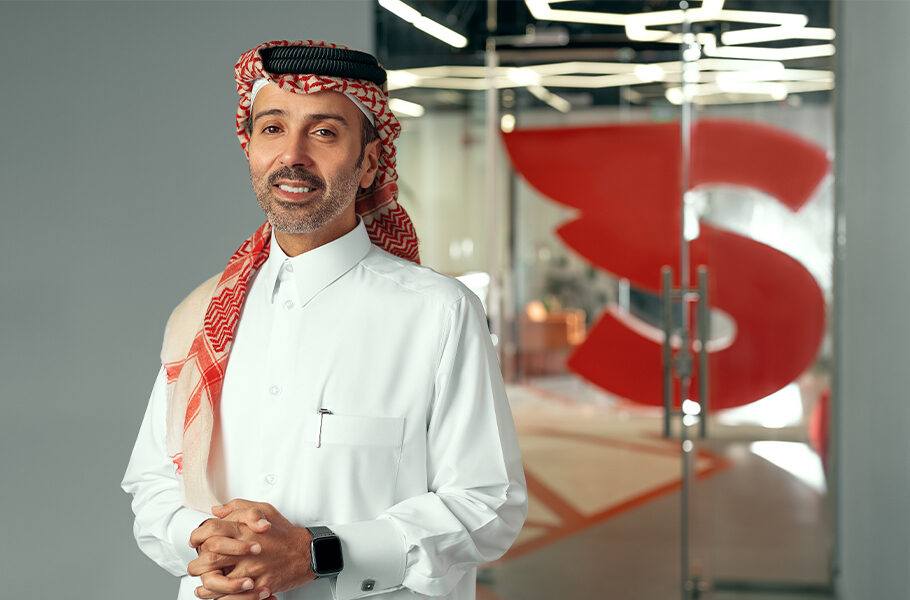
When Hamad Al Hajri launched Snoonu in Doha in 2019, Qatar’s delivery market was already attracting international platforms with larger budgets, established technology, and experience operating across multiple countries.
Competing directly with them appeared difficult.
But Al Hajri believed those companies were missing something important.
They understood delivery.
They did not necessarily understand Qatar.
Local merchants needed more flexible digital tools. Consumers wanted services designed around their daily habits. Businesses required logistics partners capable of responding quickly to a relatively small but demanding market.
Instead of copying an international delivery model, Snoonu was built around those local realities.
What began as an on-demand delivery startup gradually expanded into food, groceries, e-commerce, courier services, pharmacy orders, home services, gifts, and logistics.
Within six years, Snoonu had become one of Qatar’s most important technology companies—and the center of one of the largest startup transactions in the country’s history.
Building a Qatari Platform Around a Local Problem
Al Hajri came to entrepreneurship after spending years working across technology, innovation, and business operations.
His experience convinced him that Qatar did not simply need another delivery application. It needed locally developed digital infrastructure capable of connecting consumers, merchants, and logistics providers through one platform.
The name Snoonu was inspired by the Arabic word for the swallow, a bird associated with speed, agility, and the ability to return home.
That symbolism reflected the early product.
Snoonu initially focused on personal concierge and delivery services through a bilingual platform designed specifically for users and merchants in Qatar.
Building the marketplace required more than writing software.
Many traditional businesses had limited digital inventories, fragmented ordering systems, and little experience managing sales through mobile platforms. Snoonu’s team worked directly with merchants to digitize products and connect them to a growing online customer base.
The company was not only delivering orders.
It was helping local businesses participate in the digital economy.
Before Snoonu: Two Failed Attempts and a Costly Technology Lesson
Snoonu’s official launch came in 2019, but Hamad Al Hajri had been trying to turn the concept into a real company for several years.
According to Al Hajri, speaking in two podcast interviews about Snoonu’s early journey, the idea began taking clearer shape while he was studying at HEC Paris in Doha in 2016. He and his co-founder developed the concept as a university capstone project, which was recognized as one of the institution’s strongest projects. Rather than leaving it inside the classroom, they decided to test whether it could become a real business.
The first attempts did not work.
In one of them, Al Hajri and his partners tried to accelerate the launch by purchasing a ready-made delivery application from a development company in India for approximately QAR 100,000. The supplier presented a professional office, promised that the platform would be ready within six months, and gave the team enough confidence that Al Hajri publicly announced an upcoming launch on television and prepared to present the project at an event.
Then the application arrived.
It barely worked.
When the team requested corrections, the supplier stopped responding. Al Hajri later travelled to Delhi and found the office empty and the people behind the company gone. The project had to be suspended, and the money was effectively lost.
The failure produced the decision that would later define Snoonu.
Al Hajri concluded that he was not trying to build a logistics company that happened to use someone else’s software. He was trying to build a technology company specializing in logistics.
If technology represented the company’s core advantage, it could not remain under the control of an external vendor.
Snoonu would have to own its product, its engineering capabilities, and the systems responsible for every order moving through the platform.
He later described a second failed attempt that exposed another weakness. This time, the company had greater control over the product, but had tried to build the team at the lowest possible cost. The experience convinced him that owning the technology was not enough; Snoonu also needed to invest in stronger engineers and product talent capable of building it properly.
Those two failures shaped the model that eventually succeeded.
Build the technology internally.
And hire the strongest team the company could afford.
Years later, Snoonu would employ hundreds of people, including a large internal technology organization spanning engineering, data science, product management, business intelligence, and product design. What appeared at the time to be an expensive failure had forced the company to identify the capability that would become central to its long-term value
Selling One Business to Keep Snoonu Alive
Al Hajri did not enter Snoonu with unlimited venture capital behind him.
Before the company reached institutional investors, part of its survival depended on another business he had built years earlier.
In 2012, he had launched a technology services company with approximately QAR 100,000 in initial capital. The business operated across areas such as low-voltage systems, smart homes, automation, and related engineering services. Rather than withdrawing its annual profits, he repeatedly reinvested them to increase the company’s capital and expand its operations.
By 2019, he sold the company for around QAR 8 million.
The exit was not simply a separate entrepreneurial achievement. According to Al Hajri, it became a critical source of funding for Snoonu after potential investors withdrew and the new company found itself financially constrained. He sold the profitable services business to inject capital into the technology venture that had not yet proved it could survive.
The decision captured the risk surrounding Snoonu’s earliest years.
Al Hajri was not moving from one successful company into a comfortably funded startup. He was converting the value of a proven business into runway for a venture that had already failed more than once
Growing Through a Moment of Disruption
The COVID-19 pandemic accelerated consumer adoption of online delivery across Qatar and the wider region.
People who had previously viewed delivery as an occasional convenience increasingly depended on it for food, groceries, medicines, and daily essentials.
Snoonu responded by expanding beyond its initial services.
The platform added new categories, increased its delivery capacity, strengthened its logistics infrastructure, and developed technology capable of managing rapidly growing order volumes.
Rather than remaining a food-delivery marketplace, Snoonu began moving toward a broader multi-service model.
Its growing ecosystem included restaurant delivery, grocery commerce, pharmacy services, B2B and B2C courier solutions, and products such as SnooSend and SnooMart.
The shift would eventually become central to the company’s identity.
Snoonu was no longer positioning itself as a delivery app.
It was becoming a Qatari super app.
Proving That Local Technology Could Compete
Snoonu’s competitive advantage did not come from spending more than international rivals.
It came from moving closer to the market.
The company built an Arabic-first experience, developed relationships with local merchants, and adapted its services to Qatari consumer behavior.
That local understanding helped it respond more quickly to market needs while building a brand closely associated with Qatar’s technology ambitions.
The 2022 FIFA World Cup became an important test.
Qatar experienced an unprecedented rise in visitors, transactions, events, and demand for urban services. Snoonu expanded its operations and technology infrastructure to manage the pressure while supporting merchants and consumers during one of the most visible periods in the country’s history.
The experience demonstrated that a locally developed platform could operate at significant scale.
It also strengthened Snoonu’s position as a national technology company rather than merely another delivery provider.
The Funding Round That Nearly Broke the Company
Even after Snoonu gained traction, its survival was not guaranteed.
In the School of Investment podcast, Al Hajri revealed that the company’s second investment round collapsed in April 2022. Snoonu had expanded aggressively and committed capital based on the expectation that the financing would close. When it failed, the company was left facing liabilities he described as approaching QAR 40 million and without enough liquidity to continue operating normally. A few months later, amid the pressure, he was hospitalized after suffering a stroke.
The company had reached the kind of moment that rarely appears in polished startup timelines.
It was growing.
It had customers.
It had built a recognizable brand.
And it was close to running out of money.
Al Hajri gathered the team and explained the situation directly: without immediate action, Snoonu could close. Employees were asked to temporarily accept reductions that reached 50% of their salaries while the company worked to secure new capital. The proposal placed part of the burden of survival on the same people who had built the platform, but many agreed to remain rather than walk away. The episode later became the central subject of the podcast interview in which he recounted the company’s financing journey.
Snoonu eventually secured approximately $12 million from investors, giving the company the capital needed to continue scaling. Al Hajri has since argued that the business raised relatively little compared with many regional delivery companies, yet reached profitability in its third year rather than remaining permanently dependent on new rounds.
The crisis also makes Snoonu’s later acquisition easier to understand.
The $320 million valuation was not the inevitable outcome of a smooth funding journey. It followed failed launches, lost capital, an externally built application that never worked, the sale of another company to fund operations, and an investment round collapse that brought Snoonu close to shutting down.
Its strongest foundation was not delivery alone.
It was the decision, made after the first failure, to own the technology behind the business
From Delivery App to Profitable Super App
By 2024, Snoonu had evolved into a multi-vertical platform with increasingly strong financial performance.
Over two years, its gross merchandise value tripled to approximately QAR 1.37 billion, equivalent to around $377 million.
Revenue increased from QAR 146 million to QAR 511 million during the same period.
More importantly, the company was not pursuing growth at any cost.
Snoonu reported QAR 54 million in EBITDA and QAR 27 million in net profit in 2024, demonstrating that its model could scale while remaining profitable.
Those figures distinguished the company from many delivery startups that expanded rapidly but struggled to build sustainable economics.
Snoonu had managed to deepen its home-market position, broaden the services available through its platform, and develop a business attractive to one of the region’s largest publicly listed delivery companies.
The $245 Million Jahez Deal
The defining corporate milestone arrived in July 2025.
Saudi-listed on-demand platform Jahez Group signed a definitive agreement to acquire a 76.56% majority stake in Snoonu through a transaction valued at approximately $245 million.
The deal included $225 million for 75% of Snoonu’s existing shares and a further $20 million capital injection in exchange for a newly issued 1.56% stake.
The transaction valued Snoonu at approximately $320 million on a post-money basis.
For Qatar’s startup ecosystem, the deal represented more than a large acquisition.
It marked the emergence of the country’s first startup to cross the $300 million valuation threshold and demonstrated that a locally founded technology company could produce a major regional outcome.
For Jahez, the acquisition offered an immediate entry into Qatar through an established, profitable platform with strong local recognition.
For Snoonu, it provided additional capital, infrastructure, and regional reach without requiring the company to abandon the identity that had made it successful.
Preserving Founder Leadership After the Acquisition
Majority acquisitions often bring uncertainty around brand identity and founder control.
Snoonu’s agreement with Jahez was structured differently.
The company would continue operating under the Snoonu brand, while Al Hajri retained a 23.44% ownership stake and remained founder and CEO.
He also joined the newly formed board alongside three Jahez representatives.
The arrangement preserved the founder’s operational role while connecting Snoonu to a larger regional group.
It also reflected the strategic logic behind the transaction.
Jahez was not acquiring Snoonu simply to absorb its users or eliminate a competitor.
It was investing in a locally built platform, leadership team, and technology ecosystem capable of supporting broader Gulf expansion.
The two companies identified potential collaboration across logistics, customer service, product development, and platform technology.
Snoonu’s local agility could now be combined with Jahez’s financial resources and regional infrastructure.
Taking the Model Beyond Qatar
Snoonu’s next major challenge was proving that its success could travel beyond its home market.
In April 2026, the company officially expanded into Kuwait with a phased rollout of its super app.
The initial services included e-commerce, courier delivery, car washing, home maintenance, gifts, and flowers, followed by restaurants, supermarkets, and pharmacies.
Rather than attempting to manage Kuwait remotely, Snoonu onboarded approximately 180 employees and appointed local leadership under CEO Bader Al-Ajeel.
The approach reflected a lesson from the company’s success in Qatar.
Regional scale could not come at the expense of localization.
Each market required teams capable of understanding its merchants, customers, regulations, and operational environment.
Kuwait became an important test of whether Snoonu could combine a standardized technology platform with deeply localized execution.
Recycling Success Into Qatar’s Next Generation of Founders
As Snoonu expanded beyond Qatar, Hamad Al Hajri also began widening his role inside the country’s startup ecosystem. Rather than focusing solely on scaling his own company, he started channeling capital, operational experience, and mentorship back into the next generation of founders.
In April 2026, Snoonu launched Snoonu Startup Factory, Qatar’s first founder-led startup factory and accelerator. The initiative was created to invest in and mentor early-stage startups across Qatar and the wider GCC, reflecting Al Hajri’s belief that successful operators should help build the ecosystem that once lacked support for them.
The factory announced its first investment immediately: a $100,000 pre-seed round in Sufra AI, an AI-powered restaurant technology startup founded by Carnegie Mellon University Qatar graduates Ekaterina Demenkova and Jemal Velihanova. The company is developing intelligent QR-based restaurant menus that personalize recommendations, automate ordering and payments, and provide restaurants with real-time customer insights.
For Al Hajri, the initiative represents more than a new investment vehicle. It marks a transition from building a single successful company to helping create many more. In a region where experienced founders have historically remained operators, Snoonu Startup Factory signals the emergence of a new generation of founder-investors capable of recycling both capital and hard-earned execution experience back into the ecosystem
Adding Financial Services to the Ecosystem
Snoonu’s regional strategy also extends beyond delivery and commerce.
In Oman, the company signed a strategic memorandum of understanding with Sohar International to integrate banking and financing services into the Snoonu ecosystem.
The partnership is designed to support merchants, delivery partners, and consumers through customized financial products.
SMEs operating through the platform could gain access to financing for business growth, while delivery partners could use asset-financing programs to expand their fleets.
The collaboration illustrates how super apps evolve.
Once a platform connects consumers, merchants, orders, logistics, and payments, it can gradually introduce financial services around those relationships.
Snoonu is therefore moving beyond facilitating transactions.
It is attempting to create an integrated digital and financial environment supporting the different participants in its marketplace.
Technology Beyond Human Delivery
The company’s longer-term vision reaches further into automation.
Snoonu has outlined an ambition to achieve fully robotic delivery operations by 2035 through autonomous ground vehicles and drones.
That objective remains distant and will depend on technology, infrastructure, economics, and regulation.
Yet it demonstrates how the company views itself.
Snoonu does not want to remain a conventional delivery operator with a mobile application.
It wants to become a technology and logistics platform capable of redesigning how goods and services move through Gulf cities.
Its “No Drivers Under the Sun” initiative reflects the same direction, combining operational innovation with an effort to improve conditions for delivery workers exposed to the region’s extreme temperatures.
Building a Regional Champion Without Losing Its Roots
Snoonu’s evolution captures a broader transformation taking place across the Gulf technology ecosystem.
For years, many of the region’s largest digital platforms were imported from outside markets.
Today, companies built in Riyadh, Doha, Dubai, and other Gulf cities are increasingly developing their own technology, expanding across borders, acquiring competitors, and attracting public-market capital.
Snoonu represents one of Qatar’s clearest examples of that shift.
It began by solving a local delivery problem.
It expanded by helping merchants digitize.
It evolved into a profitable multi-service platform.
It then secured a $320 million valuation while preserving its brand and founder leadership, before taking its model into Kuwait and building financial partnerships in Oman.
The journey is not simply about creating a successful delivery company.
It is about proving that a technology platform born in Qatar can become relevant across the Gulf.
For Hamad Al Hajri, the strategic challenge ahead will be balancing three forces: the local identity that built Snoonu, the regional scale made possible through Jahez, and the operational discipline required to expand across highly competitive markets.
The company’s first six years suggest that its greatest advantage may still be the same one that shaped it at the beginning.
It was built close to the people and businesses it serves.
Entrepreneurial Stories
From Enterprise IT to Saudi Arabia’s Subscription Economy: How Ahmed Salama Built Techrar
After more than a decade building mission-critical systems across aviation, technology, and digital commerce, Ahmed Salama saw a gap few others were addressing: Saudi businesses wanted recurring revenue, but lacked the infrastructure to manage it. That insight became Techrar, a platform now powering subscriptions, memberships, and recurring payments across the Kingdom.
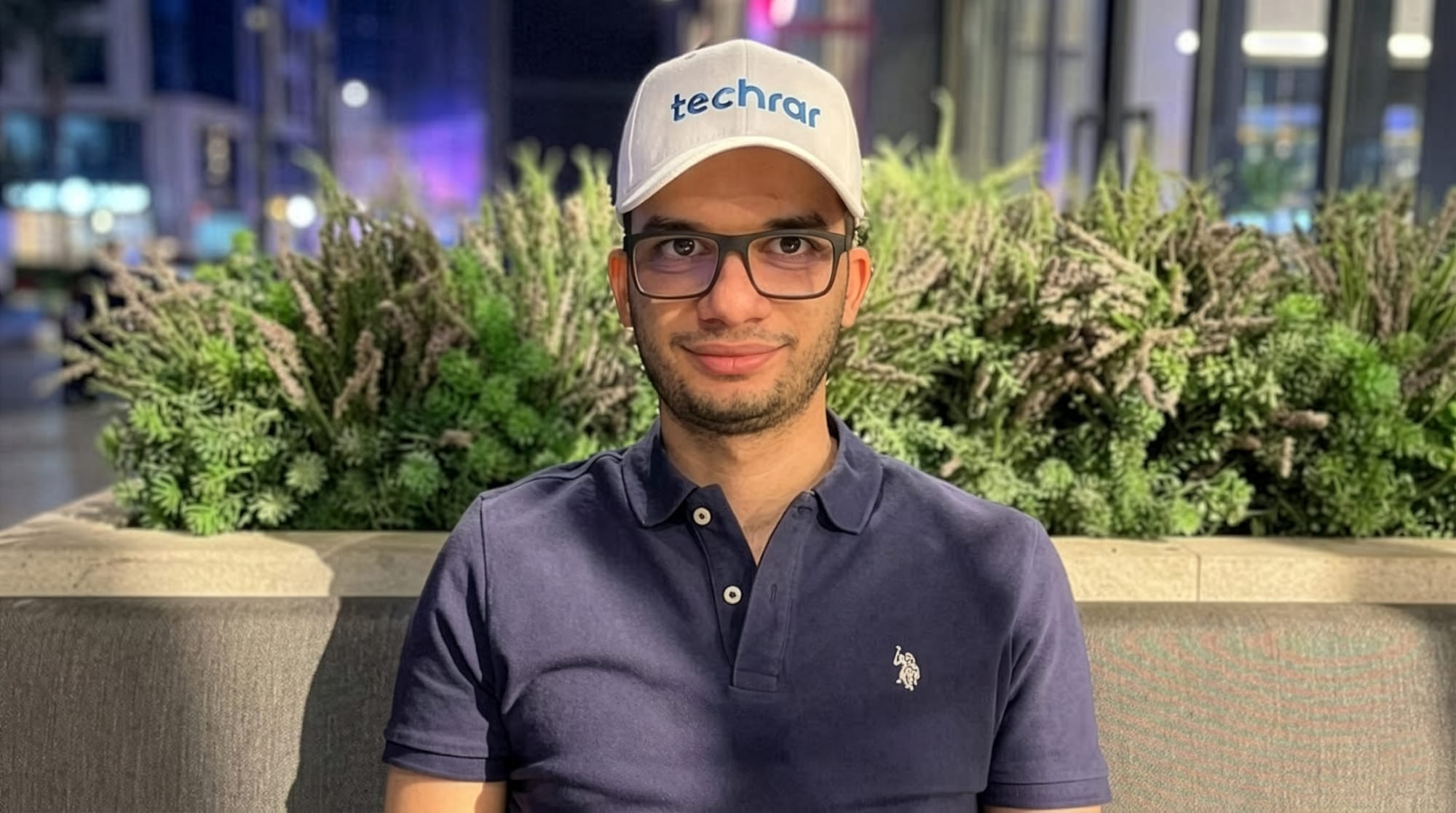
Long before subscriptions became one of the most closely watched business models in Saudi Arabia, Ahmed Salama was learning how complex systems behave when failure is not an option.
His career began not in venture capital or startup accelerators, but in software engineering and enterprise technology. He worked on systems that had to remain available, reliable, and capable of handling large volumes of users without disrupting the organizations behind them.
Over time, a pattern began to emerge.
Companies rarely struggled because demand did not exist.
They struggled because their systems, payments, customer experience, and daily operations were not connected well enough to convert that demand into sustainable growth.
Years later, that insight would become the foundation of Techrar, a Saudi technology platform helping merchants build and manage subscription-based businesses.
Under Salama’s leadership, the company has processed more than SAR 100 million in transactions and is working toward an internal target of SAR 1 billion in annual volume.
Learning How Critical Systems Work
Salama studied Computer Engineering at Carleton University in Canada before beginning his professional career in Ottawa.
There, he worked in software development on cloud-based automated speech recognition systems, gaining early exposure to distributed infrastructure, performance optimization, and the technical demands of building products that must function consistently at scale.
When he returned to Saudi Arabia, his work moved closer to the intersection of technology, operations, and revenue.
At SAUDIA Airlines and Saudi Ground Services, he contributed to IT service management and developed systems supporting operational portfolios, workforce rosters, and daily business processes.
The environment was particularly demanding.
Airlines operate on tight schedules, thin margins, and highly interconnected systems. Small technology failures can quickly become operational problems affecting customers, employees, and revenue.
Salama learned that technology could not be treated merely as a support function.
In complex organizations, it had to become part of the business strategy itself.
From Aviation Systems to Digital Commerce
His experience expanded further through roles at Ithraa Consulting, where he worked on national digital platforms supporting ticketing, assessments, and public engagement.
The defining chapter, however, came at Saudi low-cost airline flyadeal.
There, Salama led projects spanning internet booking engines, mobile applications, payment integrations, and cloud infrastructure across Microsoft Azure and Amazon Web Services.
The role gave him direct exposure to almost every part of a modern digital transaction.
A customer needed to discover a service, complete a booking, make a payment, receive confirmation, and remain connected to the company after the purchase.
Each step depended on different systems working together.
In 2019, Salama was recognized as flyadeal’s “innovation champion,” reflecting the increasingly strategic role he was playing in the airline’s digital operations.
By then, he had spent years observing the same problem across different sectors: businesses often had strong products and real customer demand, but operational fragmentation prevented them from growing efficiently.
Testing Entrepreneurship Through Wijha
In 2018, Salama began exploring entrepreneurship through Wijha, a marketing and advertising venture connecting consumers with events, experiences, and commercial offers.
The company built customized service bundles through a network of participating merchants.
Wijha gave him a closer view of how consumers evaluate offers and how merchants attempt to package, price, and distribute their services.
It also reinforced a practical lesson.
A strong offer is not enough.
If payments are difficult, customer journeys are fragmented, or operational systems fail to communicate, businesses lose revenue even when people want what they are selling.
The experience brought Salama closer to the merchant side of digital commerce and laid part of the groundwork for his next company.
Spotting the Subscription Infrastructure Gap
Across Saudi Arabia, subscription models were beginning to appear in sectors such as food and beverage, fitness, wellness, education, and professional services.
For merchants, the appeal was obvious.
Instead of relying entirely on unpredictable one-time sales, subscriptions could create recurring revenue, stronger customer retention, and greater visibility into future cash flow.
But launching and managing a subscription business remained difficult.
Many merchants had to combine separate tools for websites, mobile applications, payments, invoicing, customer management, renewals, and analytics.
This created friction for customers and operational complexity for companies.
Salama saw the opportunity to build a platform specifically around recurring commerce rather than adapting traditional e-commerce software to support it.
That idea became Techrar.
Building the Infrastructure Behind Every Subscription
Techrar was designed as a subscription-first commerce platform enabling businesses to launch, manage, and scale recurring revenue models.
Its platform allows merchants to create subscription plans and memberships, manage renewals and pauses, automate invoicing, and offer flexible payment cycles.
Businesses can also launch branded websites and mobile applications without building large internal technology teams.
Payment integrations connect merchants with local and regional gateways, while analytics tools help them understand customer behavior, lifetime value, retention, and churn.
This is what separates Techrar from a conventional online storefront.
The company is not simply helping merchants sell products.
It is providing the operational infrastructure behind long-term customer relationships.
Salama’s background in enterprise systems is visible throughout the model.
The platform emphasizes reliability, integrated workflows, clear service processes, and the ability to turn customer activity into data that merchants can use.
Raising SAR 6 Million to Scale
In April 2025, Techrar raised SAR 6 million in an investment round led by Wa’ed Ventures, the venture capital arm of Aramco Entrepreneurship.
The financing represented an important step in the company’s development as it moved from proving its model toward broader market expansion.
Techrar planned to use the capital to expand its team, accelerate product development, introduce AI-powered capabilities, and enter additional markets beyond Saudi Arabia.
By that stage, the platform had already processed more than SAR 100 million in transactions and served hundreds of thousands of end users through merchants operating across food, wellness, and service-based industries.
Salama has spoken about an internal ambition to increase annual transaction volume to SAR 1 billion, a target that reflects both the company’s growth expectations and the broader rise of recurring business models in the Kingdom.
Growing Through Partnerships, Not Isolation
Rather than attempting to build every service internally, Techrar has pursued partnerships that connect its subscription infrastructure with the wider Gulf commerce and fintech ecosystem.
In 2024, the company partnered with Tamara to offer buy now, pay later and split-payment options to merchants.
The integration gave customers greater flexibility while helping businesses improve conversion and potentially increase transaction values.
A later partnership with Tap Payments connected Techrar’s recurring commerce technology with regional payment infrastructure.
Together, these relationships strengthened Techrar’s position as an enabling layer between merchants, financial technology providers, and customers.
Other collaborations have extended its reach into specific industries.
Partnerships involving Nana, Body Korea, and logistics platform Nash demonstrated how subscription infrastructure could support businesses across healthy meals, preventive healthcare, and delivery operations.
For Salama, integration is not simply a technical feature.
It is a growth strategy.
Connecting Recurring Commerce With Vision 2030
Salama increasingly describes Techrar’s role within the broader economic and social transformation taking place in Saudi Arabia.
Subscription models can help businesses generate predictable income, but they can also improve how consumers access important services.
Recurring meal plans can support healthier lifestyles.
Memberships can make sports and wellness services easier to maintain.
Educational subscriptions can provide continuity for students.
Healthcare programs can help patients remain connected to preventive and ongoing services.
Through this lens, Techrar’s work intersects with several Vision 2030 priorities, including quality of life, healthcare transformation, financial sector development, and logistics modernization.
The company’s contribution is not the creation of those services themselves.
It is building the infrastructure that allows providers to deliver them reliably and at scale.
Applying the Model to Families and Schools
Salama’s interest in recurring systems later extended into another venture.
In late 2025, he co-founded Wali App, a platform designed to simplify payments and subscriptions for services provided by schools.
Parents often need to manage meal plans, activities, and multiple school-related payments across disconnected systems.
Wali brings those processes into a more organized experience, giving families better visibility while reducing administrative work for educational institutions.
The venture reflects the same thinking behind Techrar.
Start with a daily operational problem.
Connect the systems behind it.
Then make the experience simpler for the person using it.
Becoming an Ecosystem Builder
As Techrar grew, Salama’s role expanded beyond operating his own companies.
He became involved with Entrepreneurs’ Organization in Jeddah, serving in a board role and engaging with a wider community of business founders.
He has also participated as an angel investor, using the experience and network developed through his career to support other entrepreneurs.
This progression is common among ecosystem builders.
They begin by developing products.
Then they build organizations.
Eventually, they begin helping create the environment in which other companies can grow.
Building With Systems Thinking
What makes Ahmed Salama’s journey distinctive is not a dramatic overnight breakthrough.
It is the depth accumulated before Techrar was founded.
Years spent working on aviation systems, cloud platforms, payments, booking engines, and operational infrastructure gave him a clear understanding of how businesses fail—and what they need in order to scale.
Techrar emerged from that experience.
Its mission is built around a straightforward belief: recurring revenue should not require fragmented tools, complex technical teams, or constant manual intervention.
As Saudi Arabia continues moving from one-time transactions toward longer-term digital relationships, Techrar is attempting to become the infrastructure behind that shift.
For Salama, the journey from enterprise IT to entrepreneurship has remained grounded in the same principle throughout.
Technology works best when people barely notice the complexity behind it.
They simply experience a service that works.
Entrepreneurial Stories
Two Emirati Founders Turn Their Early Investing Losses into FinTech Startups Helping First-Time Investors Navigate Financial Markets
After losing money as teenage traders, two Emirati founders are building platforms designed to help first-time investors learn how to navigate financial markets more safely—whether through simulated trading or expert-led portfolio management.
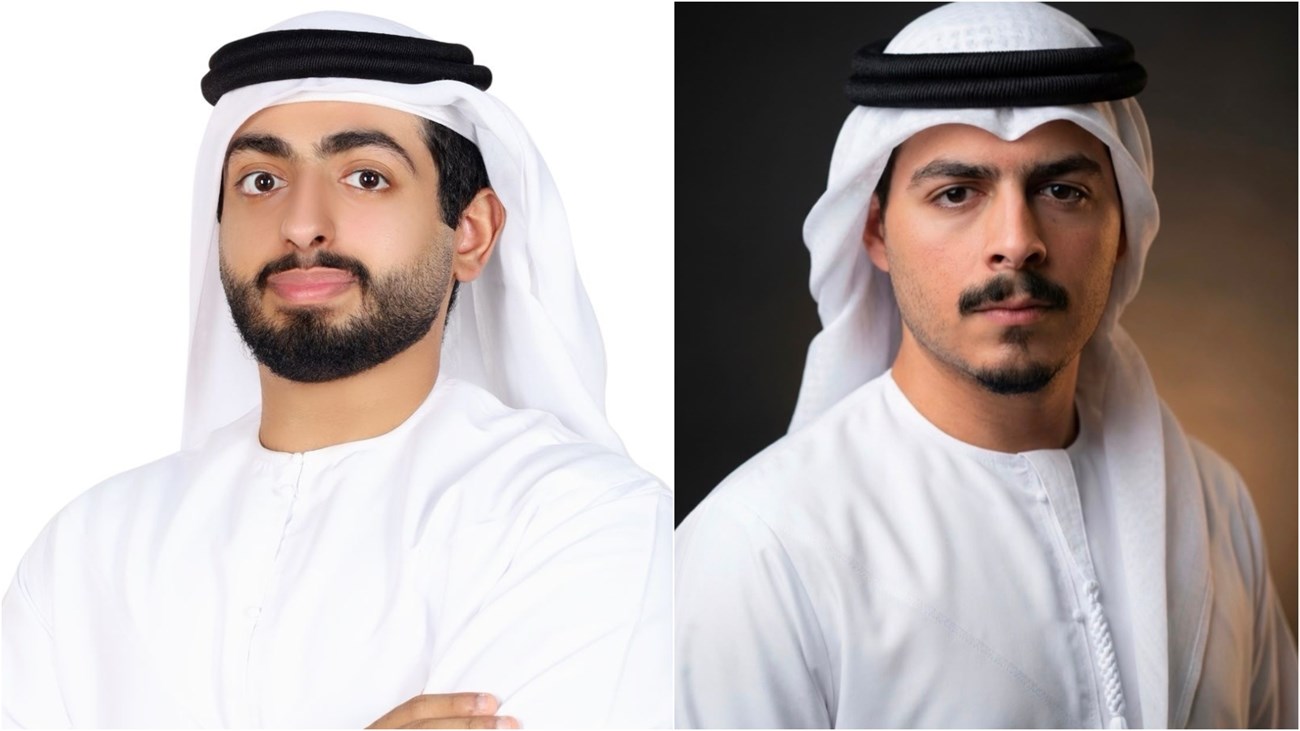
For many young investors, entering financial markets has never been easier. Understanding them, however, remains an entirely different challenge. Every year, inexperienced traders lose significant amounts of money chasing opportunities they don’t fully understand—a reality that two Emirati founders know from personal experience.
Today, both entrepreneurs are building startups aimed at helping beginners take their first steps into investing with less risk and greater confidence.
The founders are among 17 startups selected for the inaugural cohort of the MZN Hub71 programme, a joint initiative between the Khalifa Fund for Enterprise Development and Hub71 that supports Emirati entrepreneurs in transforming early-stage ideas into market-ready products.
From Costly Lessons to Startup Ideas
Mohamed Al Nasri was just 17 years old when he began trading US stocks through his father’s brokerage account. The experience proved expensive enough to change his perspective on investing.
Rather than continuing to trade, he decided to focus on understanding financial markets first—a lesson that would eventually become the foundation of his startup, SouqView.
Mustafa Samhoun’s journey followed a similar path. While studying at university in Washington, DC, he began trading cryptocurrencies using his own money before suffering significant losses. The experience convinced him that most beginner investors need better guidance before managing their own capital.
For both founders, the problem wasn’t access to investing platforms. It was the lack of safe and accessible ways for people to learn how markets actually work.
Two Different Approaches to Investor Education
The two startups are tackling the same problem through entirely different models.
SouqView adopts a simulation-first approach, allowing users to trade more than 8,000 US-listed stocks and exchange-traded funds using virtual capital while receiving real-time market data. The platform incorporates gamification features including portfolio tracking, leaderboards, and social sharing tools designed to make learning more engaging.
The application’s interface also adapts to users’ experience levels, presenting simplified information to beginners before gradually introducing more advanced analytical tools as they progress. Before executing simulated trades, users can access AI-powered due diligence tools that surface recent market developments, analyst sentiment, and potential investment risks.
Launched four months ago, the platform has attracted more than 160 users, with over 60% reportedly returning on a weekly basis. Al Nasri plans to expand the platform’s offerings to include UAE-listed equities and commodities while introducing SouqView to schools and universities as part of broader financial literacy initiatives.
Odysseon, meanwhile, takes a delegation-based approach. Rather than asking beginners to learn through simulated investments, the platform enables users to allocate their capital among vetted professional traders while observing their investment decisions over time.
Users can diversify their allocations across multiple traders based on historical performance and monitor portfolio outcomes through a centralized dashboard.
Artificial intelligence plays a key role in personalizing recommendations by analyzing users’ risk profiles and suggesting suitable traders and investment strategies. The company has also developed its own algorithmic trading models, which complement its broader investment offerings.
The platform has already onboarded approximately 200 beta users while the company continues to complete security audits and regulatory requirements.
Making Investing More Accessible
Despite their different approaches, both founders share a common objective: making investing more accessible without encouraging inexperienced users to take unnecessary risks.
The rapid growth of digital trading platforms has significantly lowered barriers to entering financial markets, but it has also created an environment where beginner investors can quickly become overwhelmed by information, complexity, and speculative opportunities.
SouqView and Odysseon represent two emerging responses to that challenge—one centered on learning through simulation and the other through guided delegation.
Their stories also reflect a broader trend within the UAE’s growing fintech ecosystem, where founders are increasingly building products inspired by personal experiences and designed to address practical challenges facing younger generations of consumers.
For both entrepreneurs, the lessons that shaped their startups began with losing money. Today, they are attempting to ensure that first-time investors can learn those same lessons at a considerably lower cost.
-

 MENA Startups7 days ago
Egypt-Based Exits MENA and ACE Acquire Avanz Capital Egypt in Seven-Figure Deal to Expand Private Equity and Asset Management
-

 MENA Startups6 days ago
MENA-Born Enterprise Voice AI Startup HeyBreez Raises $2.5M Seed to Accelerate Global Expansion
-
 News3 days ago
Dubai Entrepreneurs Who Raised $400K on Kickstarter Launch 12-Week Accelerator Teaching Teens to Build and Crowdfund Real Startups
-
 Asia Startups1 week ago
Singapore-Based RetailTech Startup Graas Raises $17M Series B, Acquires Trustana to Expand AI-Powered Commerce Platform
-

 MENA Startups6 days ago
Saudi EdTech AILA Raises $3M Pre-Series A to Scale AI-Powered Personalized Learning Across Regional and Global Markets
-

 MENA Startups7 days ago
Iraq-Based E-Commerce Startup Rozenama Raises $150K Pre-Seed to Expand Platform Nationwide
-

 MENA Startups7 days ago
UAE-Based Startup Tax Star Raises $1.75M to Expand AI-Powered Tax Compliance Platform Across GCC
-

 Asia Startups7 days ago
Indian FinTech Startup Rezolv Raises $12.5M to Expand AI-Powered Lending Platform
You must be logged in to post a comment Login