
Asia Startups
Singapore-Based Physical AI Startup TacnIQ.ai Secures $1.5M Pre-Seed Funding to Advance Tactile Models and Industrial Deployments
The investment forms part of a targeted $3 million pre-seed round supporting model development, engineering recruitment and commercial expansion.

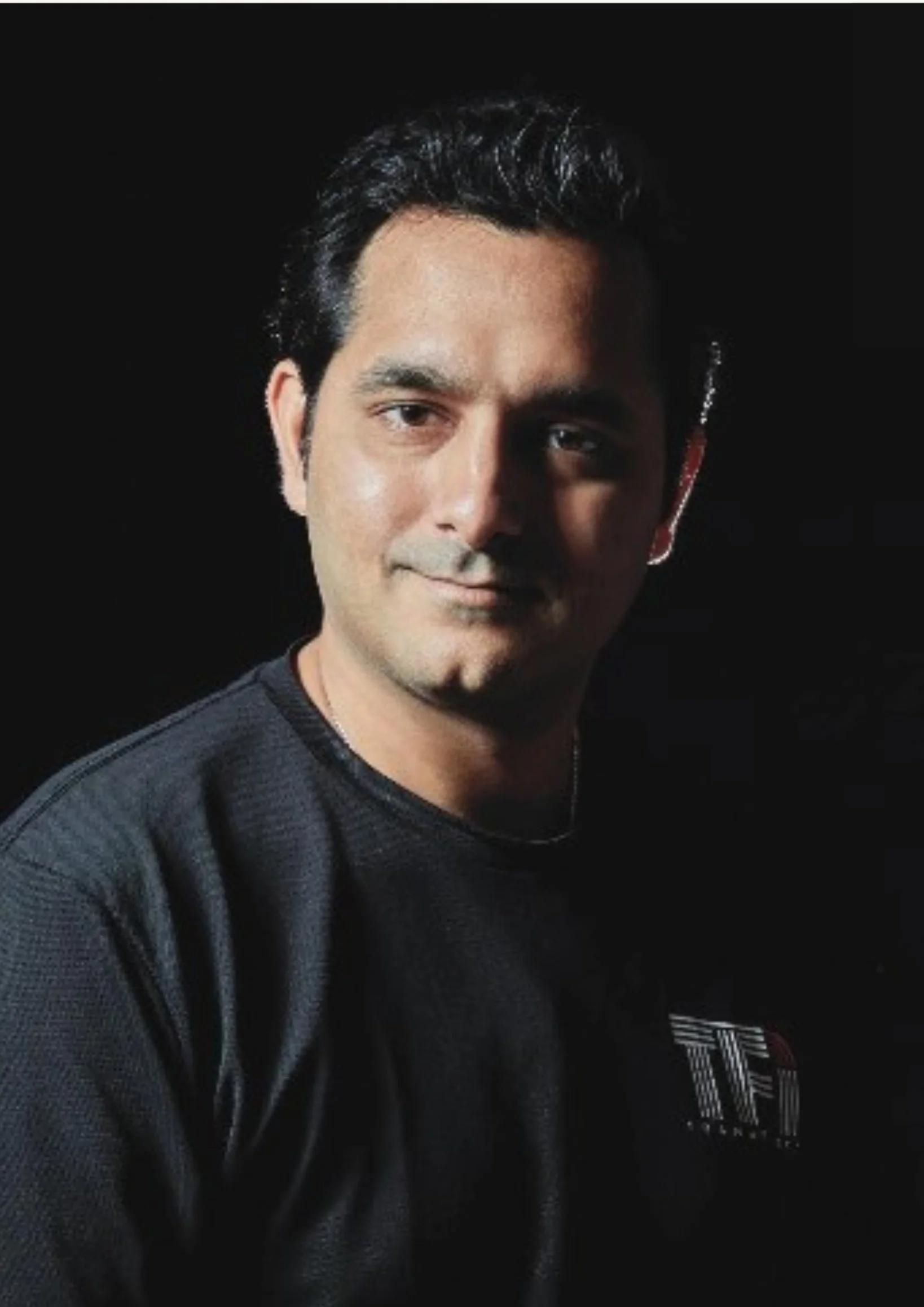
Singapore and California-based physical AI startup TacnIQ.ai has secured $1.5 million from In Group Holdings as part of a targeted $3 million pre-seed funding round.
The company will use the capital to develop its tactile AI foundation models, grow its engineering team and expand commercial deployments across industries where machines need to interpret physical contact and movement.
TacnIQ.ai is also recruiting across artificial intelligence, software engineering and business development as it moves its technology from controlled research environments into practical industrial applications.
Teaching Machines to Understand Physical Contact
TacnIQ.ai develops technology that enables machines and robots to interpret signals produced through physical interaction.
Its system uses sensor-based data collection nodes to capture information such as force, pressure, movement and contact. AI models then analyse these signals to help machines understand and respond to conditions in the physical world.
The startup is targeting applications across logistics, construction, e-commerce, hospitality and healthcare. Its technology is already being used by paying customers, including for workplace safety and ergonomics.
TacnIQ.ai says it has collected more than 5,000 hours of tactile interaction data through controlled experiments and commercial deployments. The company is also developing additional sensor nodes to capture a broader range of physical signals and operating conditions.
Building Tactile AI Foundation Models
TacnIQ.ai intends to use its growing dataset to build foundation models that can work across different industries, tasks and physical environments.
The approach could reduce the need to train a separate AI model for every individual machine or application. Instead, engineers could adapt a broader tactile model to specific hardware and operating requirements.
“Our mission is to build AI models that deliver real-world impact today and transform how engineers design and develop hardware,” said Aashish Mehta, co-founder and CEO of TacnIQ.ai.
“Securing this investment is an important milestone and will enable us to hire talented engineers, build advanced tactile models and fully develop the technology into practical, scalable industry applications.”
Expanding Commercial Applications
TacnIQ.ai plans to increase deployments across industries in which machines need to respond reliably to physical interactions, including worker safety, robotics, healthcare and industrial automation.
The company is also working with human-interface technology provider Synaptics to advance tactile AI from research into commercially deployable hardware.
“For physical AI to move beyond the lab, systems must be able to interpret complex physical signals reliably and in real time,” said Mahesh Srinivasan, vice president and general manager of Touch and Display at Synaptics.
“TacnIQ.ai is tackling that challenge by turning tactile intelligence into robust, commercially ready hardware.”
The investment comes as multiple companies and research groups develop technologies intended to give robots a more sophisticated sense of touch. Existing approaches include tactile imaging, biomimetic sensors and systems designed to improve robotic gripping and manipulation.
Next Stage of Growth
TacnIQ.ai will now focus on completing its pre-seed round, strengthening its engineering capabilities and expanding its proprietary tactile dataset.
Commercial deployments will also provide the startup with additional real-world sensor data, which can be used to improve its models across different tasks and operating environments.



Asia Startups
Singapore-Based Semiconductor Startup Nexstrom Raises $12M Seed Funding to Commercialize 12-Inch 2D Materials Platform
Xora Innovation led the Seed round, with Foothill Ventures and SEEDS joining to support Nexstrom’s move from laboratory development to semiconductor manufacturing.
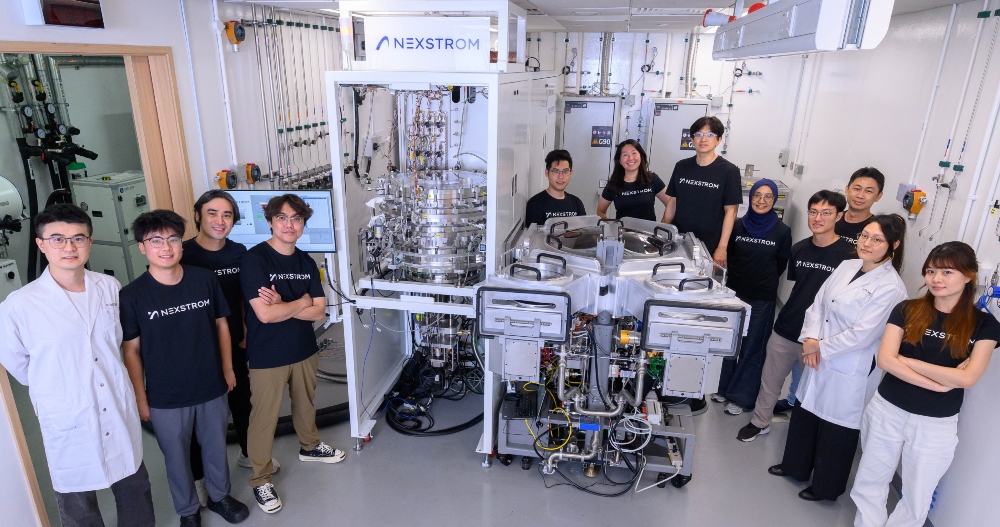
Singapore-based semiconductor startup Nexstrom has raised $12 million in a Seed funding round led by Xora Innovation, with participation from Foothill Ventures and SEEDS, an investment arm of SG Growth Capital.
The round brings Nexstrom’s total capital raised to $15 million, including $3 million in non-dilutive funding. The company will use the capital to advance and commercialize its platform for producing two-dimensional semiconductor materials on industry-standard 12-inch, or 300-millimetre, wafers.
Bringing 2D Semiconductor Materials into Chip Fabs
Nexstrom is developing manufacturing equipment and processes designed to grow transition-metal dichalcogenides, or TMDs, across semiconductor wafers. These atomically thin materials are being studied as potential alternatives to silicon in advanced transistor channels.
As chipmakers continue shrinking transistors, conventional silicon becomes more difficult to control at extremely small dimensions. Two-dimensional materials could support further scaling because their thin structure may provide tighter control over electrical current and reduce leakage.
However, commercial adoption requires more than demonstrating the materials in a laboratory. Foundries need consistent material quality, wafer-level uniformity, repeatable production processes and equipment that can fit into existing manufacturing environments.
Nexstrom is targeting these manufacturing constraints through a platform combining proprietary chemical vapour deposition hardware, material-growth processes and automated wafer handling.
North Star Platform Targets 300mm Manufacturing
The company’s North Star system is designed specifically for growing 2D TMD materials on wafers of up to 300mm, the standard size used in advanced semiconductor factories.
The platform includes controlled precursor delivery, a multi-channel thermal showerhead and automated wafer-transfer capabilities intended to support integration with existing fabrication workflows.
Nexstrom said it advanced its technology from pilot development to 100mm wafers in 2025 and achieved what it describes as commercial-grade TMD synthesis on 300mm wafers in 2026. The startup has also delivered wafer samples to industry partners and established seven active patent families, including an issued US patent. These technical and performance claims have not yet been independently verified.
Funding Commercialization and Industry Validation
The new funding will help Nexstrom refine its manufacturing equipment, improve material quality and repeatability, and validate the platform with semiconductor manufacturers and research institutions.
Commercial success will depend on whether the company can produce material with sufficient uniformity, defect control and yield across full 300mm wafers. Its technology must also demonstrate compatibility with the tightly controlled process flows used by semiconductor foundries.
Nexstrom says it has already begun collaborating with industry partners to evaluate wafer samples and integrate its materials into established chipmaking processes.
Built Through Xora Innovation’s Venture Model
Nexstrom was founded in 2024 by Chief Scientist Dr. Lain-Jong Li, also known as Lance Li, and Xora Innovation through the investor’s venture-building platform. Dr. Phoebe Tan, a partner at Xora Innovation, serves as the company’s co-founder and chief executive.
Li is a distinguished professor at the National University of Singapore and previously led research at semiconductor manufacturer TSMC. His work has focused on two-dimensional materials, including the growth of single-crystal molybdenum disulfide.
The wider Nexstrom team includes researchers and engineers with experience in semiconductor equipment, materials science, device integration and manufacturing.
Moving from Research to Semiconductor Production
Two-dimensional semiconductors have attracted research interest because they could help chipmakers build smaller and more energy-efficient transistors. Their commercial adoption, however, has been limited by the difficulty of manufacturing high-quality material consistently across large wafers.
Nexstrom is attempting to close that gap by building production equipment alongside the underlying material-growth process. The company’s next phase will focus on improving crystal quality, establishing repeatable manufacturing performance and completing further evaluations with potential customers.
If Nexstrom can demonstrate commercially viable yields and compatibility with foundry processes, its platform could help move 2D semiconductor materials beyond experimental devices and into advanced chip production.
Asia Startups
Indian HealthTech Startup Rio Health Raises $4.5M Pre-Series A to Expand Dark Store Network and Strengthen Delivery Technology
Rio Health has secured $4.5 million in pre-Series A funding to expand its dark store network across Delhi-NCR and strengthen its technology-powered medicine delivery platform.
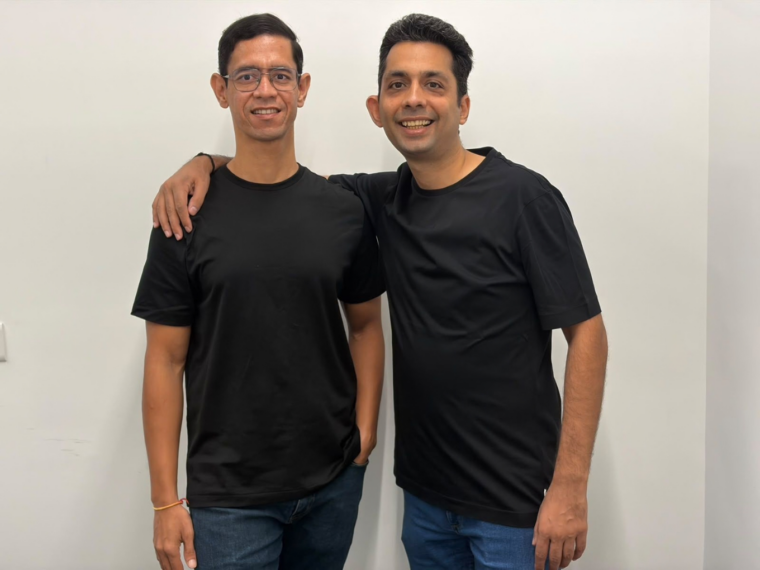
Delhi-NCR-based healthcare quick-commerce startup Rio Health has raised $4.5 million (approximately ₹43.08 crore) in an all-equity pre-Series A funding round led by Version One Ventures.
Existing investors Xeed Ventures, Good Capital, and Amplify also participated in the round.
Rio Health plans to use the fresh capital to expand its network of dark stores from three to more than 15 across Delhi-NCR while investing in its ordering, inventory management, and delivery technology.
The funding will support the startup’s broader strategy to increase its local coverage and scale its quick-commerce model for medicines and other healthcare essentials.
Rio Health Secures $4.5M in Pre-Series A Funding
The latest investment brings Rio Health’s total funding to approximately ₹62.24 crore, according to information provided by the company.
Before the pre-Series A round, the startup had raised around ₹19.16 crore through previous funding rounds.
Version One Ventures led the latest round, while existing backers Xeed Ventures, Good Capital, and Amplify increased their support for the healthcare delivery startup.
The capital comes as Rio Health seeks to build a larger neighborhood-level fulfillment network capable of supporting higher order volumes across Delhi-NCR.
How Rio Health Plans to Use the New Funding
A significant portion of the new capital will go toward expanding Rio Health’s dark store network.
The company currently operates three dark stores and plans to increase that number to more than 15 locations across Delhi-NCR. Each dark store serves customers within a radius of approximately three kilometers.
Alongside its physical expansion, Rio Health intends to invest in the technology supporting its operations, including its ordering systems, inventory management infrastructure, delivery operations, and healthcare fulfillment capabilities.
These investments are designed to help the company expand its geographic coverage while managing growing demand for rapid medicine delivery.
What Is Rio Health?
Founded by Ankur Agrawal and Amit Ahuja, Rio Health is a healthcare quick-commerce platform focused on delivering medicines and healthcare essentials across Delhi-NCR.
The company aims to complete deliveries within 20 to 30 minutes using a network of neighborhood dark stores.
Customers can search for healthcare products by typing or speaking in Hindi, English, or Hinglish. The platform also allows users to upload images of prescriptions.
Rio Health uses an AI-powered system to identify medicines listed in uploaded prescriptions and generate an order. A licensed pharmacist then reviews the order before fulfillment.
This model combines artificial intelligence, pharmacist verification, localized inventory, and rapid delivery infrastructure to streamline the medicine-ordering process.
Rio Health Processes More Than 30,000 Orders Per Month
Rio Health currently processes more than 30,000 orders each month, with an average order value of approximately ₹600 to ₹700.
Around 80% of its orders come from repeat customers, according to the company, indicating that existing users account for a substantial share of its monthly transaction volume.
The platform currently provides access to more than 20,000 stock-keeping units (SKUs) across medicines and healthcare products.
When a particular medicine is unavailable at one of its dark stores, Rio Health can source the product through its distributor network.
The startup also analyzes neighborhood-level demand data to forecast medicine requirements and determine which products should be stocked at individual locations.
Dark Store Expansion to Drive Delhi-NCR Growth
Expanding its dark store network is central to Rio Health’s next phase of growth.
By increasing its footprint from three to more than 15 locations, the company aims to serve additional neighborhoods across Delhi-NCR while maintaining its 20-to-30-minute delivery model.
The localized dark store approach allows Rio Health to position commonly ordered medicines closer to customers, while its distributor relationships provide additional inventory support when products are not immediately available.
The company’s technology infrastructure also plays a role in coordinating inventory, predicting local demand, processing prescriptions, and managing fulfillment across its network.
Rio Health Targets ₹150 Crore Annual Run Rate
Rio Health is targeting an annual run rate of more than ₹150 crore over the next nine to 12 months.
Reaching that target will depend partly on the company’s ability to expand its dark store footprint and increase order volumes across its existing and new service areas.
The startup plans to combine its physical expansion with continued investment in ordering, inventory, and fulfillment technology as it scales its healthcare quick-commerce operations.
What’s Next for Rio Health?
Following the $4.5 million pre-Series A round, Rio Health will focus on three main areas: dark store expansion, technology development, and broader coverage across Delhi-NCR.
The planned increase to more than 15 dark stores will significantly expand its neighborhood fulfillment footprint, while investments in technology are expected to support inventory planning and delivery operations as order volumes grow.
With more than 30,000 monthly orders and a high share of repeat customers, Rio Health is now moving into its next growth phase as it works to scale rapid medicine and healthcare product delivery across the region.
About Rio Health
Rio Health is a Delhi-NCR-based HealthTech and healthcare quick-commerce startup founded by Ankur Agrawal and Amit Ahuja.
The company delivers medicines and healthcare essentials through a network of neighborhood dark stores, supported by distributor partnerships and technology-led inventory management.
Its platform supports text and voice-based product searches in Hindi, English, and Hinglish, as well as prescription uploads. Rio Health uses AI to identify prescribed medicines, while licensed pharmacists verify orders before fulfillment.
Asia Startups
Indian AgriTech Company Balwaan Krishi Raises $11.3M Series B to Scale IoT-Enabled Farm Equipment Manufacturing and Distribution
First Bridge India Growth Fund led the round to support domestic production, Southern India expansion and connected farm equipment.
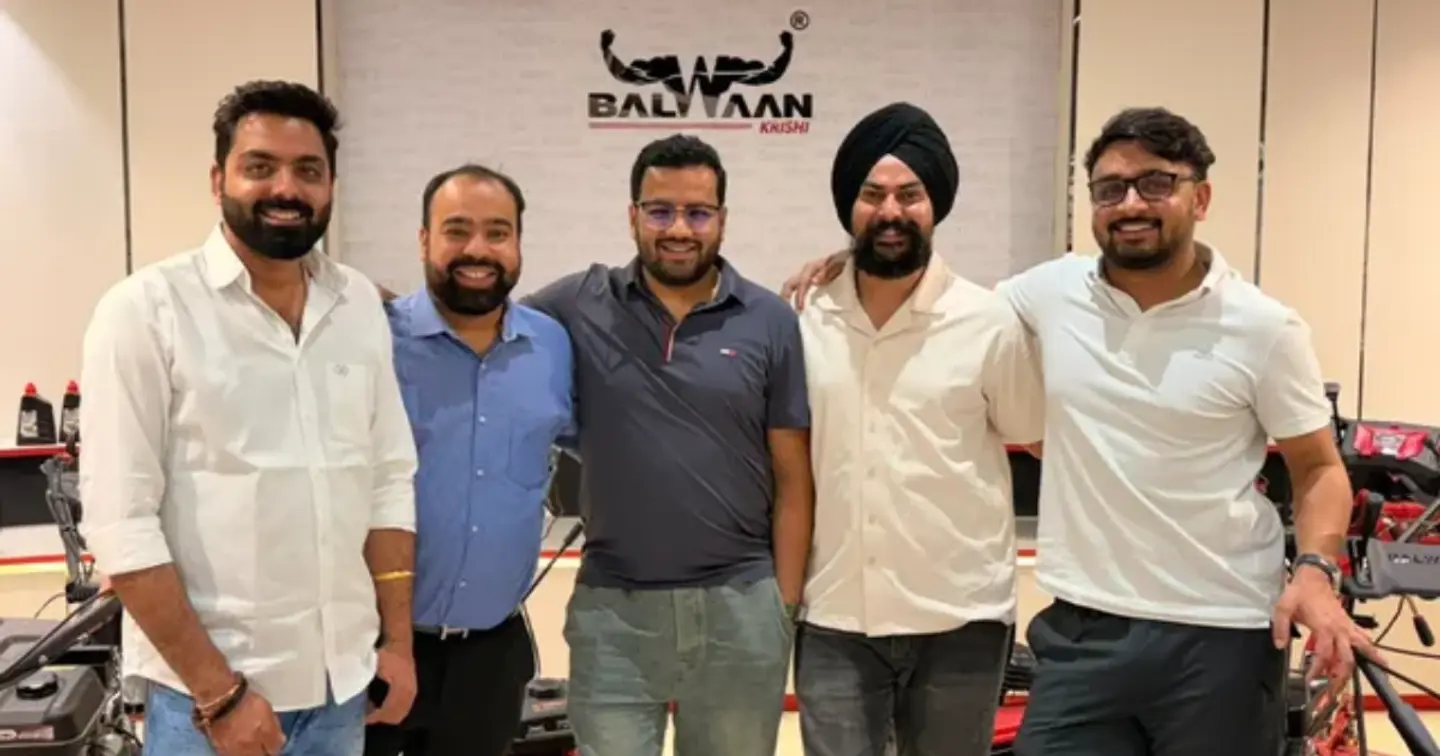
Jaipur-based agricultural machinery company Balwaan Krishi has raised ₹100 crore, approximately $10.4 million, in a Series B funding round led by First Bridge India Growth Fund Private Equity.
Other institutional investors also participated in the round, although their names and individual contributions were not disclosed. Investment banking firm Right Pillar Advisors advised Balwaan Krishi on the transaction.
The company will use the capital to expand domestic manufacturing, strengthen its dealer and service network in Southern India and develop agricultural equipment incorporating predictive-maintenance and Internet of Things capabilities.
Expanding Manufacturing and Distribution
Balwaan Krishi plans to increase its manufacturing capacity in India, giving the company greater control over product availability, quality and supply-chain operations.
The expansion is also intended to reduce dependence on imported agricultural machinery and components. This could help the company shorten delivery times and adapt equipment more closely to Indian farming conditions.
A significant portion of the investment will be directed toward building dealer and after-sales service networks across Southern India, where Balwaan Krishi currently has a smaller presence than in the country’s northern markets.
The company already works with more than 800 dealers across Northern India and combines physical distribution with an e-commerce business. It says its products have reached more than 400,000 farmers, although these figures are company-reported.
Affordable Machinery for Smaller Farms
Founded by Rohit Bajaj and Shubham Bajaj, Balwaan Krishi operates through Modish Tractoraurkisan Private Limited. An earlier company announcement said the business was established in 2015, rather than 2016 as reported by some secondary sources.
The company produces agricultural machinery and tools designed for Indian farming conditions. Its portfolio includes power weeders, sprayers, brush cutters, tillers and other small-scale mechanisation products.
Balwaan Krishi targets small and marginal farmers who may not have the land or capital required to purchase conventional tractors and larger machinery. Its products are generally priced between ₹10,000 and ₹100,000, placing them below the cost of many large agricultural machines.
The company operates through a hybrid business-to-business and business-to-consumer model, selling through dealers, digital channels and its own online presence. It also provides pre-sale guidance, product training, servicing and spare-parts support.
Developing Connected Farm Equipment
Part of the Series B capital will fund the development of equipment with Internet of Things and predictive-maintenance capabilities.
Connected machinery could allow farmers and service teams to monitor performance, detect potential technical problems and schedule maintenance before equipment fails. Balwaan Krishi expects these capabilities to improve reliability and reduce downtime during critical farming periods.
The company is also seeking to strengthen its product-development processes as it expands into new regions with different crops, soil conditions and farming practices.
Rohit Bajaj, co-founder and CEO of Balwaan Krishi, said rising labour costs and pressure to improve agricultural productivity are increasing demand for affordable mechanisation.
He added that the company’s focus is on practical equipment that small farmers can afford and use under local conditions.
First Bridge Backs India’s Mechanisation Opportunity
First Bridge India Growth Fund is a Category II alternative investment fund focused on growth-stage companies in India. The fund follows a sector-agnostic investment strategy.
Vishal Gupta, managing partner at First Bridge Investment Managers, said Balwaan Krishi operates at the intersection of a large addressable market, growing adoption of farm mechanisation and demonstrated customer demand.
India’s fragmented land ownership structure creates a distinct market for compact and affordable machinery. Small and marginal farmers represent the majority of agricultural landholders, but large equipment is frequently unsuitable for their farm sizes and financial capacity.
Balwaan Krishi is targeting this gap with smaller machines designed to reduce manual work without requiring the investment associated with tractors and other heavy equipment.
Previous Funding Rounds
The Series B follows a ₹40 crore investment completed by JM Financial Private Equity in June 2024 through JM Financial India Growth Fund III. That investment was described by Balwaan Krishi as its Series A round and was intended to support branding, working capital and distribution growth.
Before the JM Financial investment, the company raised $2 million in a pre-Series A round led by Caspian Leap for Agriculture Fund in May 2023. Angel investors Deepak Agarwal, Rishab Jain and Pulkit Bachhawat also participated.
Based on the disclosed values of these three rounds, Balwaan Krishi has raised approximately ₹156 crore in institutional and angel funding, using the reported rupee value of its earlier $2 million round. The precise cumulative amount may vary with the exchange rate used at the time of that transaction.
The latest investment gives Balwaan Krishi additional capital to move beyond its established northern distribution base and build a broader national presence. Its ability to scale manufacturing, establish reliable after-sales service and demonstrate the practical value of connected machinery will shape its next phase of growth.
-

 Entrepreneurial Stories1 week ago
From an Early Arabic Social Network to 300 Million Game Downloads: How Hussam Hammo Built Tamatem Into a MENA Gaming Powerhouse
-

 MENA Startups1 week ago
Qatar’s GrowthX Invests $1M in AI Hiring Platform Hired Valley and Student Economy Startup Talebhub, Bringing Both Startups Into Snoonu Startup Factory
-
 MENA Startups6 days ago
Saudi-based FinTech erad Raises $22M Series A Led by MEVP to Accelerate SME Financing Across the GCC
-

 MENA Startups3 days ago
Qatar-Based AI Startup Aligator Raises $1.2M Seed Round to Expand Autonomous PR Agents Across MENA
-

 MENA Startups6 days ago
UAE-Based Consumer Company Amaani Raises $5M Series A to Expand AÏZA Across GCC Beauty Markets
-

 Euro Startups7 days ago
Chilean B2B Marketplace Lokal Raises $700K to Expand Retail Supply Platform Nationwide
-

 Euro Startups4 days ago
Spain-Based AI Startup Reply Next Raises $455K Pre-Seed Funding to Scale Multi-Location Brand Management Platform
-
 Asia Startups1 week ago
Vietnam-Based AutoTech Startup Bonbon Mobility Raises $500K Pre-seed to Expand Digital Car-Care Network and Services
You must be logged in to post a comment Login